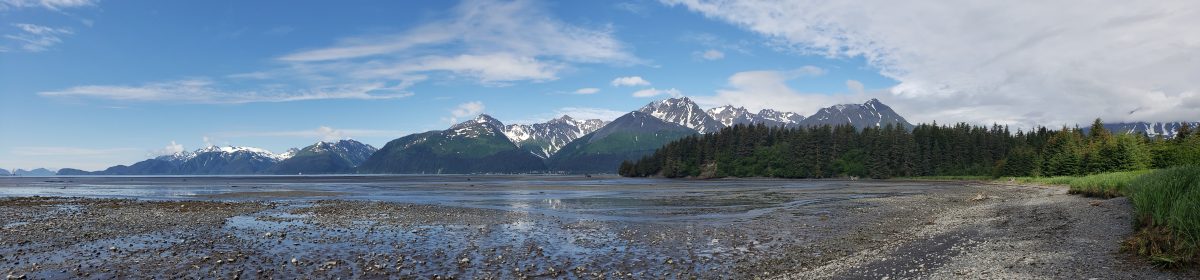
Before the age of 30 I had backpacked in the mountains of Alaska, cliff-dived in Hawaii, road-tripped in France, driven from the American Mid-West to the West Coast twice, made my own video games (haven’t sold any though), worked for Marvel Comics, traveled to nearly every state in the US and probably some other memorable stuff I’m forgetting. Out of all this Alaska would be the first thing I’d sign up for again and have. That is likely why its first on the list, being already quite close to my mind’s surface. I appreciate these experiences and the people I shared them with, but none can even begin to approach the joy I feel from martial arts (granted you consider wrestling a martial art). Starting from when I joined a wrestling team as a little kid so one day, I can be bigger than my brother to my most recent joining of a local BJJ gym it has been the single most satisfying experience in my life. Even though my wrestling “career” ended in high school after a very disappointing loss my senior year, all that time, sweat, blood, and tears were mostly all worth it. I could do without tears.
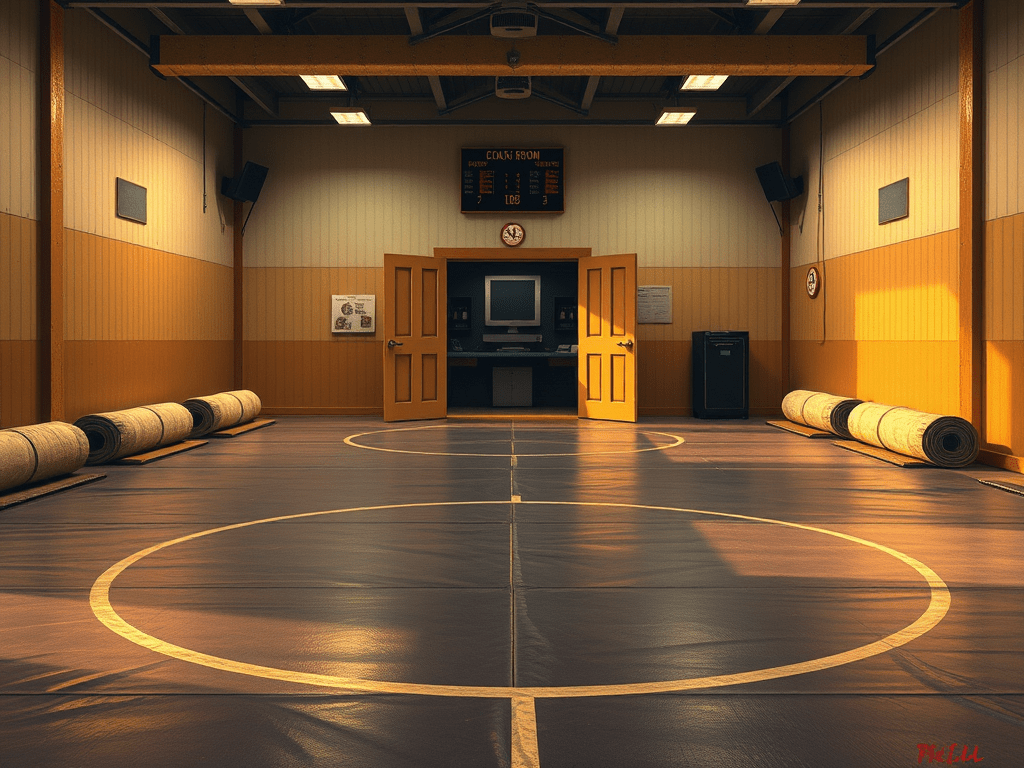
In high school we recorded our matches so we could watch tape and at the end I got a DVD copy of my last year’s matches. Rewatching them fills me with the same kind of nostalgia I get from remembering playing games with my family on a tiny CRT. The same kind of nostalgia I get when I think about waking up on Christmas morning as a child. Something so purely joyful it hurts bittersweet. I remember how alive and awake I felt when I wrestled my best. Strategy and reaction are instantaneous. The body moves at the speed of thought. Instinct, tactics, and force all combine into a rush of actions and reactions. A tiny break after a whistle then the struggle resumes. It’s all so memorable my time wrestling could be a physical place in my mind. I can walk into the practice room feeling the hot musty air pressing down on me. And though it smells largely of male body odor, its familiarity is comforting. I couldn’t tell you what the writing on the wall says anymore but I know the letters are there. The rolled-up mats for competition sitting in the silos on the side of the room and the beige double doors to the coach’s office lay open in the back of the room.
Unlikeable smells, exercising ’til you puke, and your legs don’t work, waking up at 4AM on Saturday to drive an hour, then finding your overweight by .2 of a pound so you run in three layers of clothes so you can stand half-naked in front of a bunch of people hoping you’re not too heavy sounds terrible. For me it was all worth it for time on the mat, and I’d do it all over again. Honestly that kind of difficulty is likely necessary to help forge the proper mindset for competition.
In college some buddies and I setup informal boxing matches (we had gloves and headgear). That split second of anxiety while we both wait for the first punch then a flurry of feet as you both fight for positions. Jabs are exchanged testing distances, speeds, and reactions. Then finally someone wants a hit and goes for it. Whiff. But there’s a noticeable uptick in intensity. Jabs are faster and sharper, combos more frequent, hooks and uppercuts more powerful. At this point if you were me your eyes would be wide open, your pupils dilated, the adrenaline not allowing you stay still. And you’d be smiling. Not intentionally, no, this is a reaction to having the most fun you’ve had since you were probably ten, maybe ever. Battles where victory is as likely as loss and every step is a struggle. Mentally, physically pushed to the edge. Analyzing for weaknesses, waiting for openings, pressuring for space. It was never about winning but the testing of mettles. How far could you push yourself and your opponent. Losing is certainly undesireable but exploring the edges of your capabilities and finding what you need there is more potent than any drug, more exhilarating than any achievement, more satisfying than any meal.
I’d imagine there’s many people like me who are not so interested in traveling, eating, seeing the sites, or whatever people like to do. The popularity of UFC, Bellator and other MMA or MMA-adjacent circuits is proof enough, I think. However, to say “I like fighting” or “I like to fight” or some variation of that would likely get you strange looks. We don’t live in Ancient Rome where a bloodthirsty crowd could demand sacrifice from gladiators, modern regulated combat sports can still be bloody but are very much civil displays of violence.
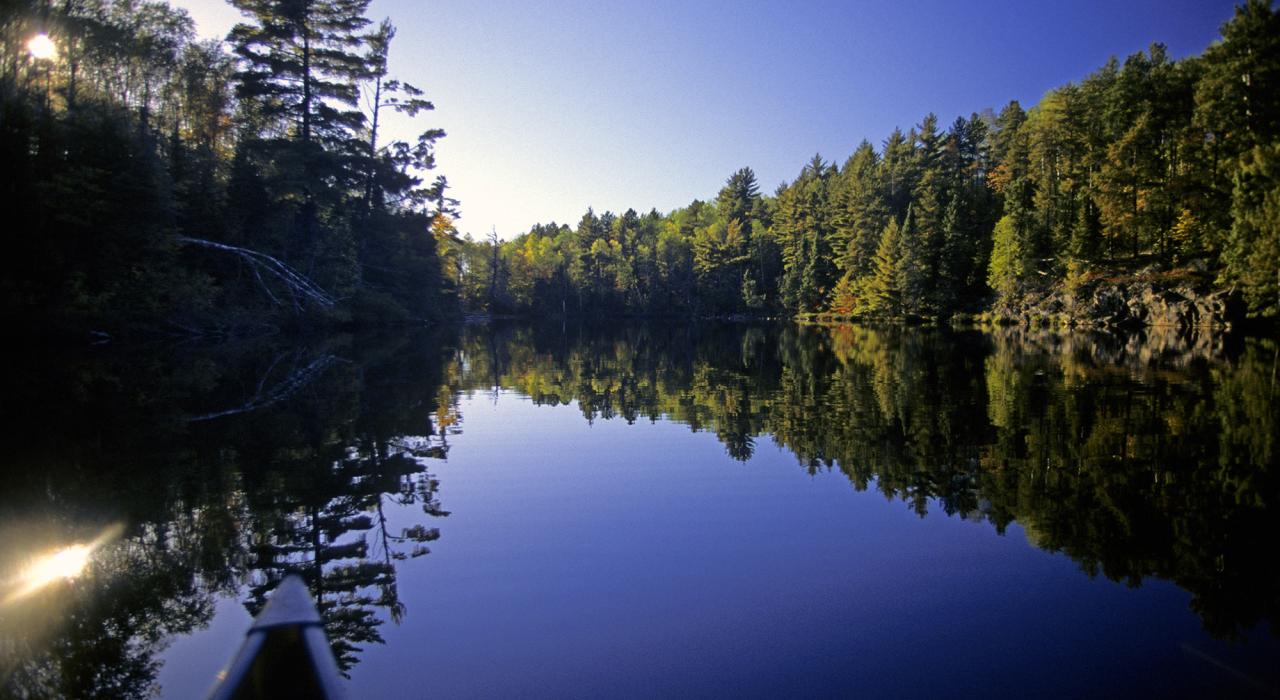
Close to a decade ago I joined my father and family friends on a canoeing trip in the Boundary Waters off Minnesota. We drove up from Indiana which took a while but allowed for whatever gear we thought we would need. I’m pretty sure we rented our canoes or at least one of them, we had two for four people. My dad and I in one canoe and my dad’s best friend and his son in another. Our plan was to go island hopping on a circular route that would end where it started. We could leave a vehicle locked at our put-off point and come back any time. One of us was cautious and insisted on a satellite phone, which was fortunately unneeded. Better to have and not want than to want and not have. The trip itself was planned for over a week though I couldn’t tell you the total mileage, if I had to guess we probably covered 20+ miles a day.
The biggest hindrance on our journey were the portage sites. To continue we’d have to beach and carry the canoes and gear overland to another beach. This was the only pinch on our weight capacity as canoes can haul gear well, but we’d have to carry it along with canoes. Most portages were short, like 15 minutes though at least one was over a mile. Not hard hiking but no fun with all that extra weight. As camping you tend to get lighter as foods and other resources deplete so you can start out a little heavier on the first day. Like bringing steak and enough ice to keep them ’til dinner. After that you’re down to eating dehydrated foods like the kind you can get at stores like Gander Mountain and REI. Anything that keeps well, is low weight, and needs little preparation is fair game. This includes cereals, pasta, jerky, and more.
As one could imagine it’s spectacular imagery being on the water all day. Then when you beach for the night, you basically have a small island all to yourselves. Sometimes you’d find a tall island with no real beach but once you scramble to the top it’s covered in trees, lichen, and blueberries. The berries are slightly out-of-season but fresh, nonetheless. Sometimes you’d wake up to a large raptor (don’t remember if it was a hawk, eagle, etc.) staring at you through your tent mesh in a tree 20 feet above you. Sometimes you see a bear on another island just roaming the coast. Or when you’re just paddling along, you’ll see a slight ripple and realize it’s a snake’s head breaching the surface as it island hops. We even had a small natural bay protecting a perfect sandy beach, which was great enough to warrant several nights there.
The experience was all very memorable and I’d be back the moment it made sense but what stood out most the day we arrived at that perfect natural bay. A storm had been lingering in the skies and we were rushing to make camp before rain broke so we paddled for the closest known beach. This whole trip we had the luxury to troll fishing line when feasible and this day was no different. My dad being more experienced hoped the incoming storm and our position in the water would bode fortuitous for fish. So, we stopped to try our lines before following our other canoe. Not even 30 minutes had passed before we considered packing it in as a light drizzle fell. Then my line snagged. Immediately I jerked the line upwards hoping to hook the hard part of a fish’s lip. It felt soft enough to be fish but firm enough to not be nothing. Then a jerk in another direction. It was a fish. And it was hooked. The line was out probably close to thirty feet and the storm was picking up. My dad had rudder position in the canoe, so he worked to keep us still in the water while I let the fish run then pulled it back while it rested. The rain is picking up and we fear lightning may start (I’m holding a metal rod in the middle of lake while it rains, I might as well demand God smite me). So, I start to stress my lines strength, working against the fish more hoping to tire it while also hoping the line doesn’t snap.
30 minutes of struggle as the fish fights for freedom and I fight for dinner. The fish’s pale shimmer is obvious through surface but now it sees the light from the surface it knows to dive with everything it has remaining. Resisting only enough to keep the line taught against the fish’s descent. Eventually it tires and you bring it up and again it dives but gives out after a few seconds. Bringing it to the surface my dad has a net ready. Shortly after and we’re on the beach ready to start dinner. I don’t usually eat fish but when I do it’s usually because it’s been caught that day. Thanks to that lucky break we were more vigilant with our fishing and caught dinner for several days after that. Little beats fresh food, fish that fresh can only be attained one way.
While not my first-time fishing, fighting a fish for half-an-hour during a storm while in a canoe in the hopes you get fresh dinner is a hell of a way to sell the experience. Some people like to catch fish, some people like to eat fish, for me that day I learned I liked the struggle of catching the fish.
Time seems to have lurched into hyperspeed overnight when I wasn’t paying attention. Every day blazes by. I wake between 5-8 AM and usually when I take my first deep breath for the day it’s 3 PM. My wife and I simultaneously wonder where indeed the time has flown to. This isn’t meant to be a complaint but rather a noting of how quickly a life shifts. This is all relevant because in what seems to be a blink my daughter is now three months old. It’s been a wonder watching her grow but I’m so close I don’t realize how much (physically) until the wife and I share pictures and see older ones. Recently I’ve been encouraging her to use her and hands and seeing her discover how to use them is not something that can be transcribed effectively. That’s how everything is with them (babies). It seems like magic or a miracle that they can develop so quickly. Yet how some things seem so beyond them despite it’s simplicity i.e. sleeping. I try to carry conversation with her while avoiding “baby talk” or pitching my voice higher to help her learn language and hearing her respond with her own onomatopoeic vocabulary shows how much she tries. Once while talking to her I looked at her face expecting fully formed english to come forth until I remembered “she can’t talk, she’s a baby”. You could say “wow this guy seems (out-of-it, dumb, etc… pick one)”, but you don’t witness their magical development first-hand. One day she struggles to lift her head, the next she’s pushing her whole body away from my chest so she can look around the room. And I swear when I say “hi” to her she already responds with a high pitched “ai” sound.
All this to say that despite feeling like time had been compressed it’s been a wondrous three months of fatherhood. As I write she’s screaming, cooing, and shrieking in her bouncer while listening to music, stopping to stare at me while I sing the parts I know. If you just got some incomprehensible warm feeling reading any of this know that parenthood is that feeling nearly all the time but also sleep-deprived, busy, and likely covered in spit-up formula all the time too.
I had recently suffered some muscle problems, likely from carrying the baby one-handed, rendering me ineffective at almost anything but lying prone groaning in pain. My wife picked up my slack but after a week put her foot down claiming things were untenable in their current state. Fortunately after several chiropractor visits and acupuncture I was able to start using my arm again. Then shortly after that my parents and younger sister came to visit us. We had about a week with them which also included my 30th birthday. It was a great time to work on spouse-parent relationships which can be difficult but are important especially when there’s grand-kids to consider. Roughly a week removed from their departure and the home is settling into a routine.
There’s so much that could be said. I could elaborate on my family’s visit, my favorite things about Zelda (my daughter), or how I confront the ever impending end of my life made ever-real by my changing of decades but there’s so much to say and too little time to ponder it.
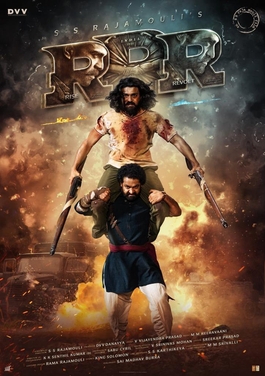
I like to watch movies. I’ll watch movies from just about anywhere. Some years ago while in college I watched a few movies from India, like Bollywood films. A trend of music and dance numbers permeated every one. Even the serious action flicks. I’m aware this is a cultural staple now, but I didn’t then. Well I’ll admit it, I’m not a fan of musical numbers in general so I’ve avoided Indian films. Not to imply the films are inherently bad, just not my cup of tea. On the recomendation of The Critical Drinker I gave a Tollywood film a try, RRR.
Going into the film I knew there would be song and dance pieces but felt if I really didn’t like them I could just skip them. However roughly a third of the way into the film one appeared from the tall grass. Immediately it stood out providing both character development and servicing the themes already loosely established; by the end it served as a powerful representation of the film itself.
Why I liked this dance scene and not others made me think of a video by Super Eyepatch Wolf who described how in a fight there are two narratives: a technical one and an emotional one. The technical narrative follows the movements and actions of each party. The emotional narrative is each parties motivations, goals, challenges, etc. A good fight scene may have either but a great fight scene will have both. All of this to say that this dance scene in RRR satisfied the same rules, which I agree with, on what makes a good fight scene. Here we have a visually pleasing well executed dance with music but everything about it, including the music, carries the themes of the film with it. Meshing character growth, music, foreshadowing as well as providing a satisfying resolution to the current predicament. It’s well crafted and implemented.
So even if you don’t like Indian movies or dislike musicals I’d still give RRR a chance, it’s an epic story and those bits are just small pieces of it. In the end this movie bespite being over three hours is a fun watch.
As a wee lad back in elementary school we had a school field trip to a nearby landfill facility to learn about the processes. They had a green house with plants grown using the landfill soil that we were allowed to keep (I think, memory can be an odd thing). That was probably the last time I ever had to think about it. This year as a family we’ve started producing more trash than I was accustomed to, mostly recyclables. Noticing this trend my curiosity awoke.
Some cursory research later and I’m forming an idea of how things are done. Our house is serviced by Republic Services and every week they come to empty a landfill, a recyclable and a yard waste container. After it gets picked up it goes to a transfer station north of here where it’s processed and stored.
Recyclables are sorted and then sent for breakdown and re-use. If you go to Republic’s website they’ll mention their Polymer center which is meant to be a long-term large-scale plastic recycling plant, though it’s not meant to open ’til 2023. Ideally it’d be nice to know where individual plastic types end up, how much of a product really ends up being recycled, and what happens to the non-recyclable material. The truth is probably rather ugly. Most recycling processing plants are actually off-shore and the garbage companies sell what they can for re-processing. Everything else is other stored for a potential sale or re-directed to a landfill. To truly get to the bottom I’ll have to reach out to Republic directly and wait for a statement.
For the landfill, there’s a similar process where it’s sorted at the transfer station and then brought to another landfill site. The closest Republic owned landfill near me is the Keller Canyon Landfill about 15 miles away. By all appearances this is a well-maintained landfill. Even the google pictures show a nearby hill with cows grazing. The most recent issue occurred in 2018 when a contractor falsified radiological data allowing radioactive material to enter the landfill. The cleaning and potential contanimation were treated seriously and the follow-up helped remedy damage. Though this raises the issue of what pressured an indpendent contractor to falsify intentionally and why does Republic use conctractors at all?
Without opening an inquiry with Republic or more serious research I’m left with more questions than answers after all of this. In the end I don’t know how motivated I am to learn just how little we actually achieve with our attempts at waste reduction. I had hoped that I wasn’t as wasteful as I thought but as long someone else takes it away every week it’s not my problem right? It’s far too easy to think like that and I know burying my head in the sand won’t help. This is a real issue and perhaps we’d be better served if I follow-up.
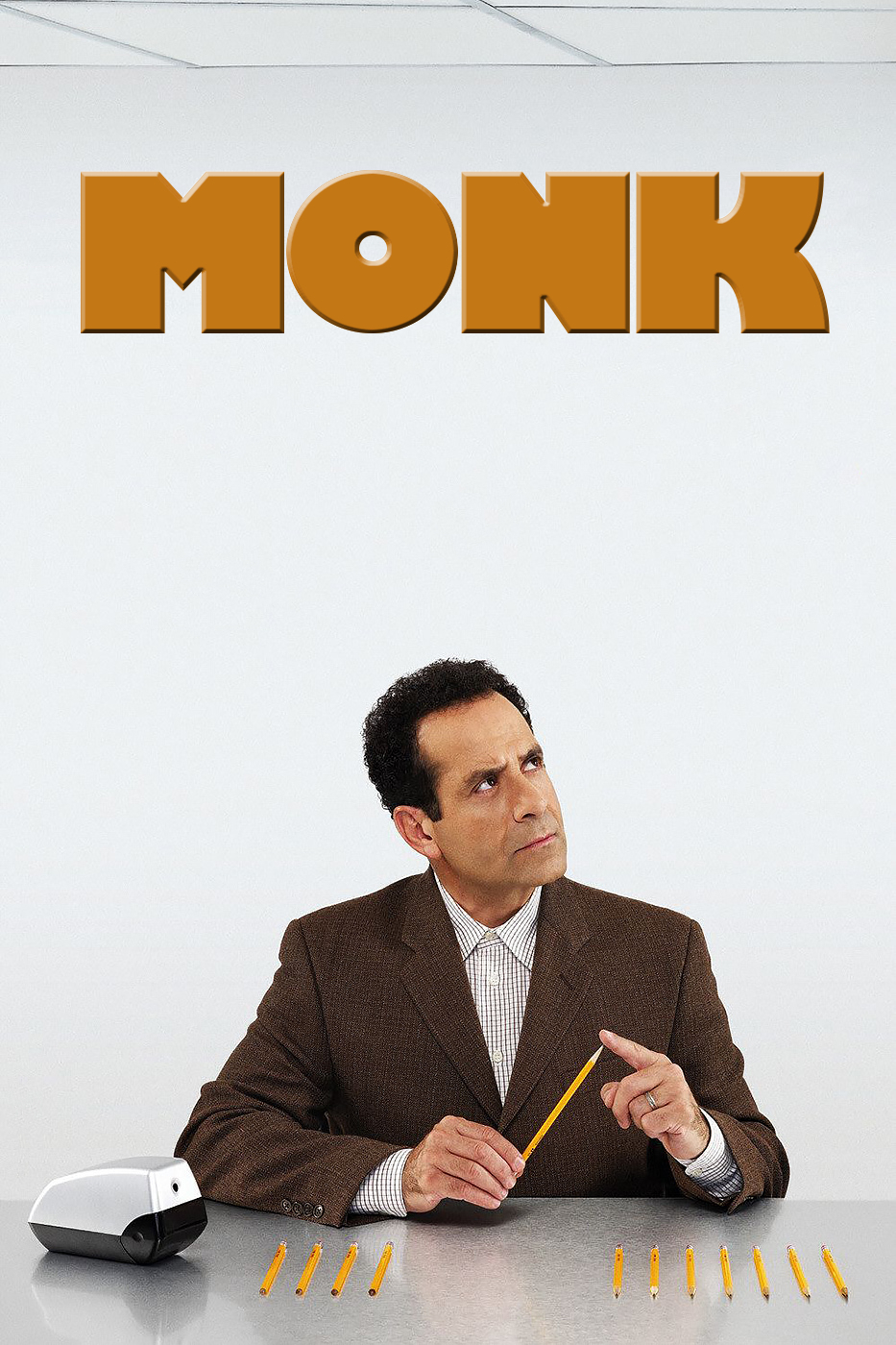
I have an idea for a new TV show: a detective who consults for the police in California. He has exceptional …detecting skills which he uses to solve crimes. They…*ahem* I meanHe‘ll have father issues resulting in a currently strained or dead relationship, though his father will have some influence over his desire to solve crime, his ability to do so, or both. There will be a female counterpart who acts more as a stabilizing force, either as a romantic interest or (un)willing partner (in crime solving). They will also suffer from severe emotional or psychological issues starting with selfishness and a lack of general maturity, which may or may not play a part in their crime-solving. There will be a partner, either the aforementioned woman or another who’s a close friend. They will all be influenced by Sherlock and make others look like fools. If this sounds familiar it’s because I was describing Monk, The Mentalist, Psych, and probably a few other Californian-Detective/Consultant-for-local-police procedural crime drama.
Monk, Jane, and Shawn all display behaviors often resigned to children. For one Monk is often painted as child-like with his dependence on a helper and general fear of things. One problem with this is as much as he may seem to grow over the first few seasons, he never does and if nothing else increasingly more of his phobias and neurotic behaviors are exposed. This contrasts from Shawn who starts out emotionally stunted, attention-seeking, and arrogant ends up all those things but can admit it. I felt his “growing” would be the main arc of the series, but he never really does grow (much). The show itself seems to be a backdrop for Shawn and Gus’ 8–12-year-old fantasies allowing them to play out mini-fantasies under one big one ‘Detective’. It makes sense that he cannot grow up but his romance, and the obvious main plot, demands it. He admits his childishness and that is his growth after about decade. Jane is another beast altogether, while he does appear childish like the others it is hard to know how much of that is a showman’s mask hiding the truth beneath. It would not be difficult to derive that Jane after a certain point mostly drops morality as a concept to single-mindedly achieve his goals. If it weren’t for consistent charity as a byproduct of his schemes he could be described completely as a ruthless manipulator. Here his ‘romance’ seems more like a healthy chemistry with someone else following his tragedy, an anchor for his mental stability. So, he may appear childish but he’s the only character to mature across the series, not in the typical child-to-adult but more the family-man-turned-vengeful-detective. His is a growth into an anti-hero.
All three owe a great deal of their abilities and weaknesses to their fathers, oddly. Raised by a single mother after a certain point Monk’s father’s claim to fame is reading Monk Sherlock Holmes and not being able to handle his family’s persnicketiness and leaving. From what I’ve seen his father’s absence is a severe factor in his development but it’s hard to know how much. As for his abilities, Monk gets by on his Compulsion that everything be to notice details and shrewd intuition to piece it together. Not directly inspired by his father but is it possible it pushed him to be a detective? Jane despite any innate talent he had, was trained by his father from an early age to read people, con, and perform. There is an obvious lack of warmth in their relationship which could account for Jane’s inability to physically express with others and only really express via gifts and knowledge. It’s pretty obvious his father is directly responsible for Jane’s emotional failings and his detective accomplishments. Shawn is similar to Jane except in this case Shawn still has his father in his life. While Jane’s father is a ghost outside of Jane’s childhood, Shawn’s father is a constant presence. Shawn himself holds a grudge against his father for a variety of reasons. The first and largest is his viewing his father as the ‘bad guy’ in his parents’ divorce, which his mother later admits was her fault. Even after this Shawn has struggles to appreciate his father or at least express it directly. It’s fact that Shawn was trained from a young age to be a detective like his father and this iron insistence is most likely the bane of their relationship. On one hand Shawn despises the shackles his father put on him in the form of expectation but on the other hand the talents his father helped him cultivate enable him to do what makes him happy. Acknowledging that would prevent Shawn from having an excuse to keep his father at arms’ length, a child throwing a 20+ year tantrum because daddy made him do something. Watching their relationship, it’s obvious they love each other but seeing Henry treat Shawn the way he does it’s also obvious where Shawn’s emotional problems arise (aside from the divorce).
I’m not one for romance so I’ll keep this brief. Monk needs a female helper to be a circular peg for the square shaped hole in his heart. Jane develops an honest relationship with another woman after his wife’s death and Shawn spends roughly a decade twiddling his thumbs, being a child, or dating someone else instead of being open. Each suffers to express and connect with the other sex, and this becomes a crucial part of their development/growth. Almost as if the female counterpart is filling a ‘motherhood’ role in requiring the boys to ‘grow up’. This would make sense as each has problems related to their mother but only their fathers have a heavy presence in their lives’. Just conjecture.
Much like Sherlock had Watson, they each need an associate/helper/assistant/etc. Also, like Watson they will be full characters with their own knowledge that helps the detective show off their brilliance. Monk’s assistant is fundamental to his daily functioning aside from providing a balancing line of thought. Jane uses his associates like pawns in a chess game every episode for a checkmate. They usually don’t know they’re being used but after a while become accustomed to not knowing and have faith in Jane. This is mildly ironic in that Jane is likely a sociopath and the only reason this isn’t a bad thing is because Jane has a soft spot for families. Shawn is more like Monk here in that his arrogance, childishness, or another failing causes his frequent downfall only to be saved by those closest to him, especially Gus and his father. Another point for Psych is that like Sherlock Holmes and Dr. Watson, Shawn is detective-adjacent, and Gus too is medical-field-adjacent with his knowledge of medicine being crucial in many of Shawn’s cases.
Either on accident or purpose they all often leave their peers, criminals, and others dumbfounded, feeling foolish or some other humiliation. Monk does this with his ability to connect seemingly random details, and there’s even an episode where they poke fun at this concept by introducing someone who to other people does exactly what Monk does, but Monk doesn’t see it and thus sees the con it actually is. To The Mentalists’ credit it expertly hides Jane’s knowledge so at any time it may seem like he doesn’t know anything or that it’s all part of some elaborate plan. The vagueness of this often means Jane ostensibly knows everything from the beginning and already has mechanisms to expose the criminal of focus. This makes Jane unique in that he’s the only one who not only amazes his peers but (at least for me) his real-world audience, much like a showman it’s all a performance. Shawn, I think, provides a decent middle-ground. When he surveys and notices those details are highlighted for viewers, so we know what he sees. Like Monk his ability to connect separate details wows his peers while we can follow along due to the given clues.
Bottom line is that there’s probably more weird parallels and differences. Seeing how the archetype of Sherlock is twisted and changed for new stories is interesting though not always successful.
Bonus (short) Reviews:
Monk – I had family who watched Monk when it aired on TV so at best this presses my early-2000’s-nostalgia-button but beyond that I don’t really like this show. It does have some good episodes and probably the most consistently good writing, dialogue, and acting of the three. My problem boils down to the treatment of Monk himself. This stings me in two ways: 1. it seems exploitative, using his fragile mental state as a punch line. In a way it’s gross and it makes me feel gross when they take it too far. 2. Given #1 this really boils my blood when there doesn’t seem to be any consistency to Monk’s personal rules and the writers just use the “hes mentally ill card” whenever they need a joke, to push plot, resolve crimes, etc. Its lazy and absolutely undermines the character.
The Mentalist – Coming back to watch this was a little difficult. At first I bounced off watching the not-so-great acting sometimes, but that’s the side characters. Everyone watches to see what Jane gets up to. Patrick Jane is one of the best developed TV characters I’ve seen and Simon Baker really warms up to the role by season 2. He is eternally a joy to watch. The audience is given little to no insight into how much Jane knows, what he’s planning, or if he even knows anything at all. Most episodes are able to create a small suspense over “how omnipotent is Jane really?”. Like most TV shows the overarching plots can be a bit of a drag. Of the three this has the best lead character and the solutions to the crimes are the most entertaining.
Psych – What if you and your best friend at 12 years old imagined you were a modern Sherlock & Watson who were also somehow able to simultaneously satisfy every other childhood desire at the same time. If in the very end it all turned out to be a dream in Shawn’s head, I’d believe it. As expected then very little has any stakes and most of it just seems like a fun time. So the plot never matters and character development is non-existent (even though that’s supposed to be the main plot) but Cary Elwes shows up to be Cary Elwes and it’s great. This show is just silly pineapple-laden good times but also does more to show what the lead sees than the others. Returning to this as an older person, it actually lost some points in that watching Shawn be a 30 year old child made me want it to stop.
Have you ever wanted embrace dad-ism and build a workbench using hand tools while listening to 80’s metal? Well I spent about a week cleaning my garage, building said workbench and outfitting it to be a proper workspace.
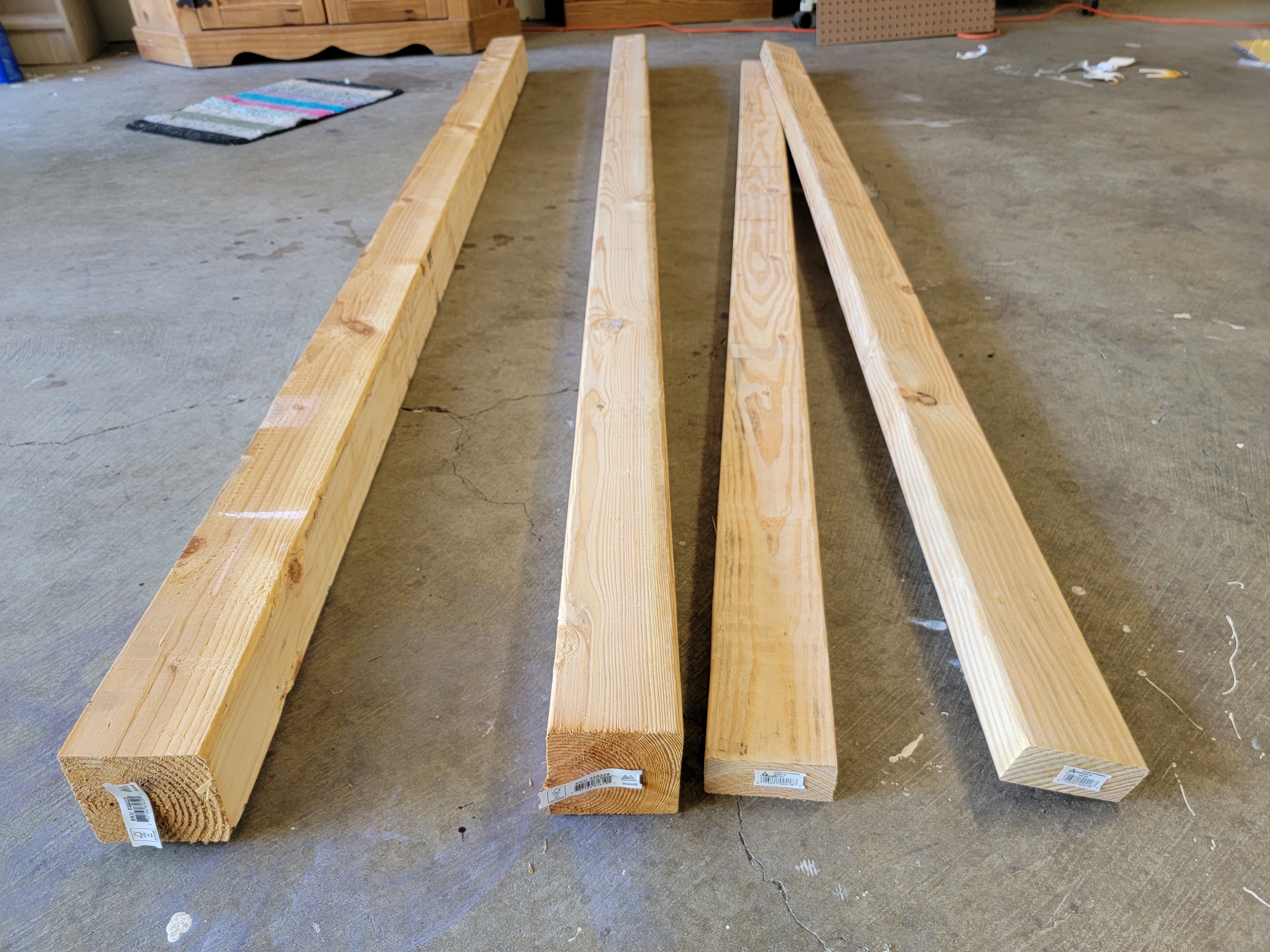
The idea came to me when going through some of the construction scrap left here. There’s some plywood, sheetrock, 2×4’s, a 4×4, a few doors, and an unused desk top. Hmmm….unused desk top, thus my mind began stirring. Some research later it was decided, I would make four legs and join them in pairs. I’m not even close to being an experienced carpenter but I’m not entirely green either.
There’s a lot of ways to join wood but the best ways only need wood and glue, driving nails, screws, bolts or whatever actually weakens the wood. I was born in Indiana which is mildly famous for it’s covered bridges, even having a covered bridge festival. Now from what I remember most of those bridges were built in the 1800’s but they were made entirely of wood. Relevance? Those all-wooden bridges still stand today because they were made well.
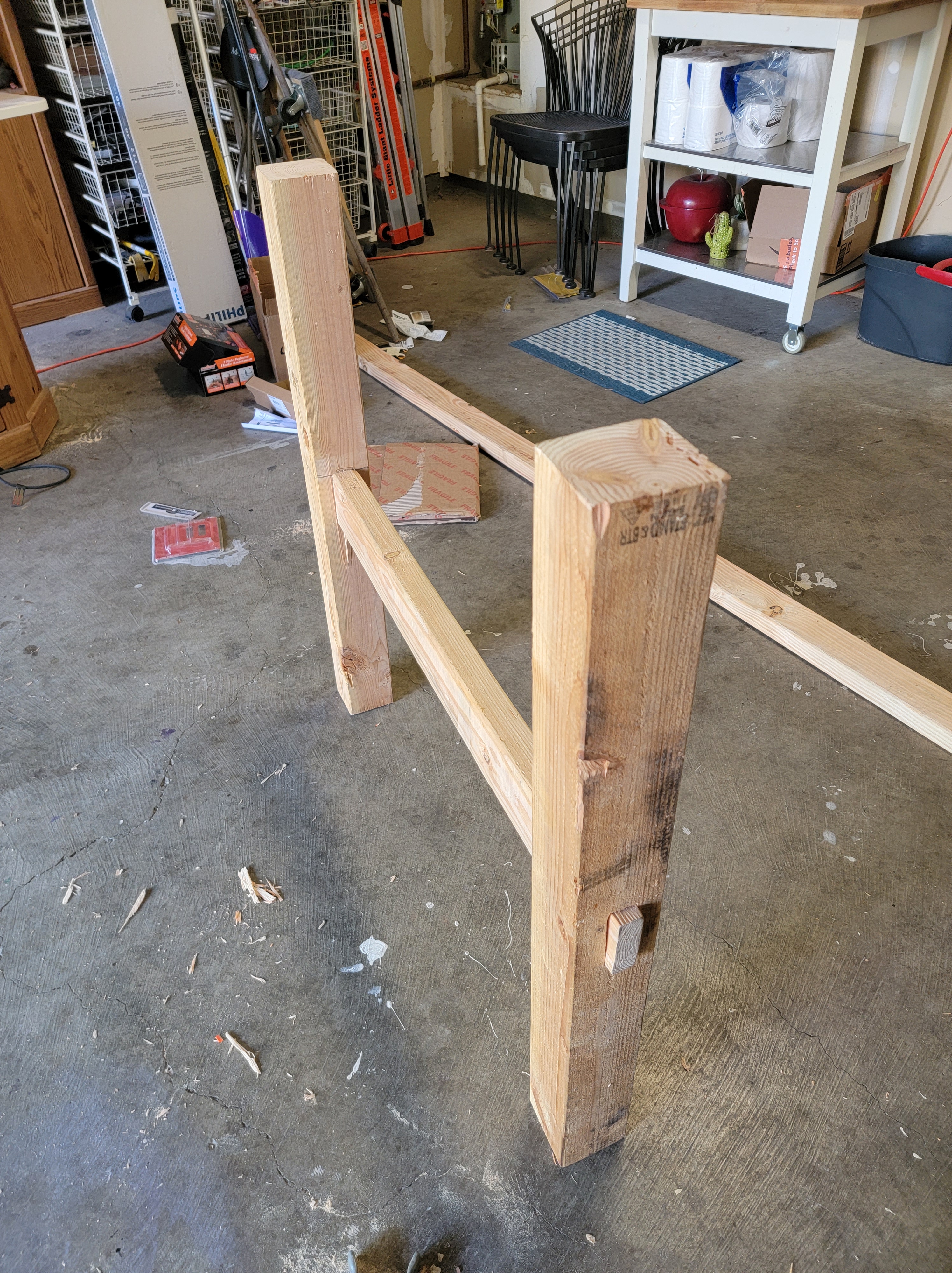
Even more research later and I’d settled on a joint: a mortise and tenon. There’s many different joints but a mortise and tenon is considered one of the strongest. When talking to my carpenter-turned-homebuilder father he told me proper wood joining is “fundamentally based upon increasing surface area for glue bond”. While this absolutely makes sense especially with the ease at which adhesives can be produced I actually expected him to be a bit more traditionalist and prefer wood-only. None of this changes the fact that a mortise and tenon is a great joint, if you’re sitting in a wooden chair right now it’s likely that’s the joint in use. A mortise would be a cavity or hole in the wood, in which the tenon snugly slides into. For mine I did a through-tenon, meaning the tenon went through the entire width of my mortised leg and protrudes from the other side. Thinking about it, it would make sense why this is such a strong joint as the tenon piece will distribute the force to the legs which push directly down along the length of the wood.
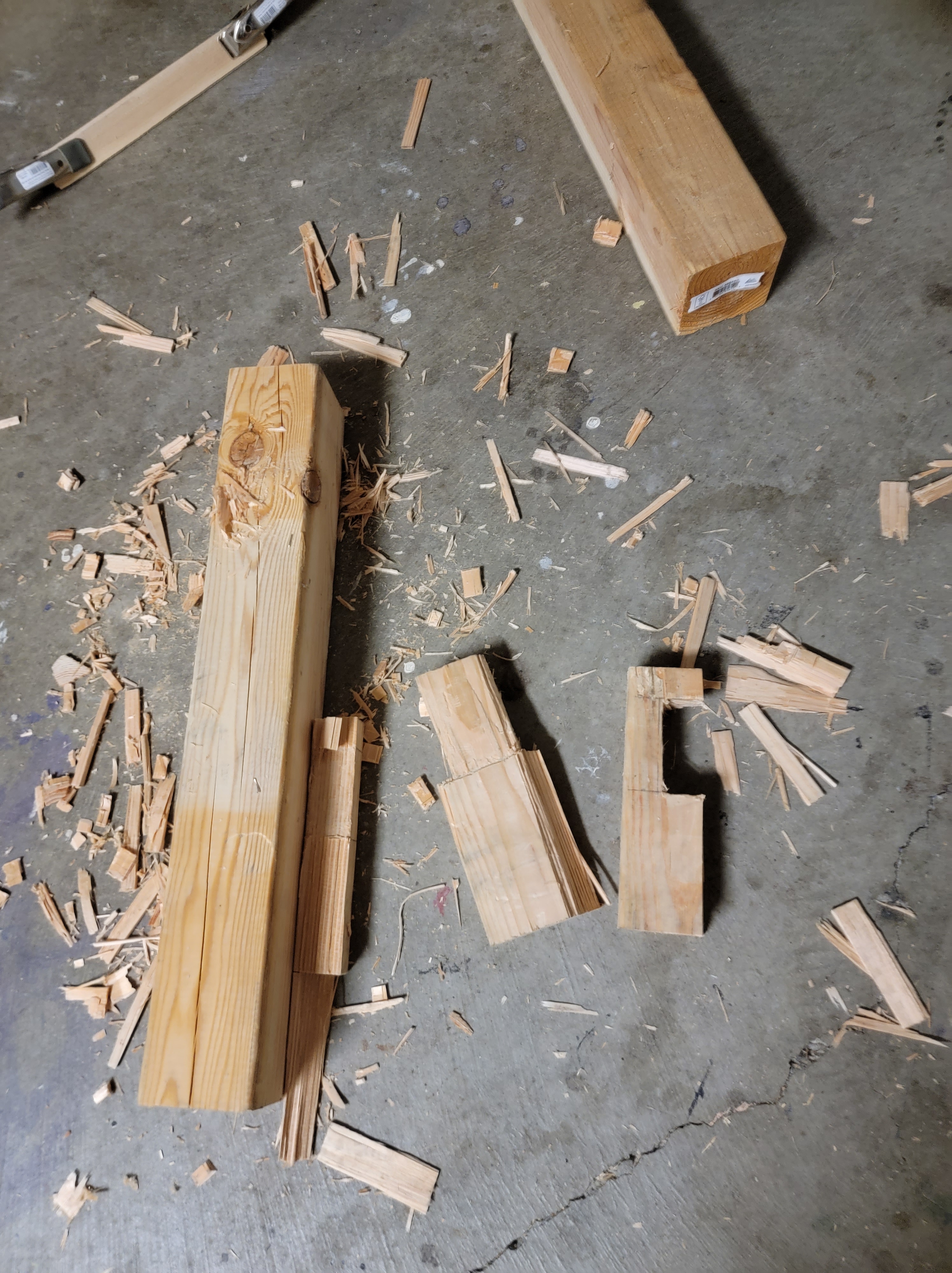
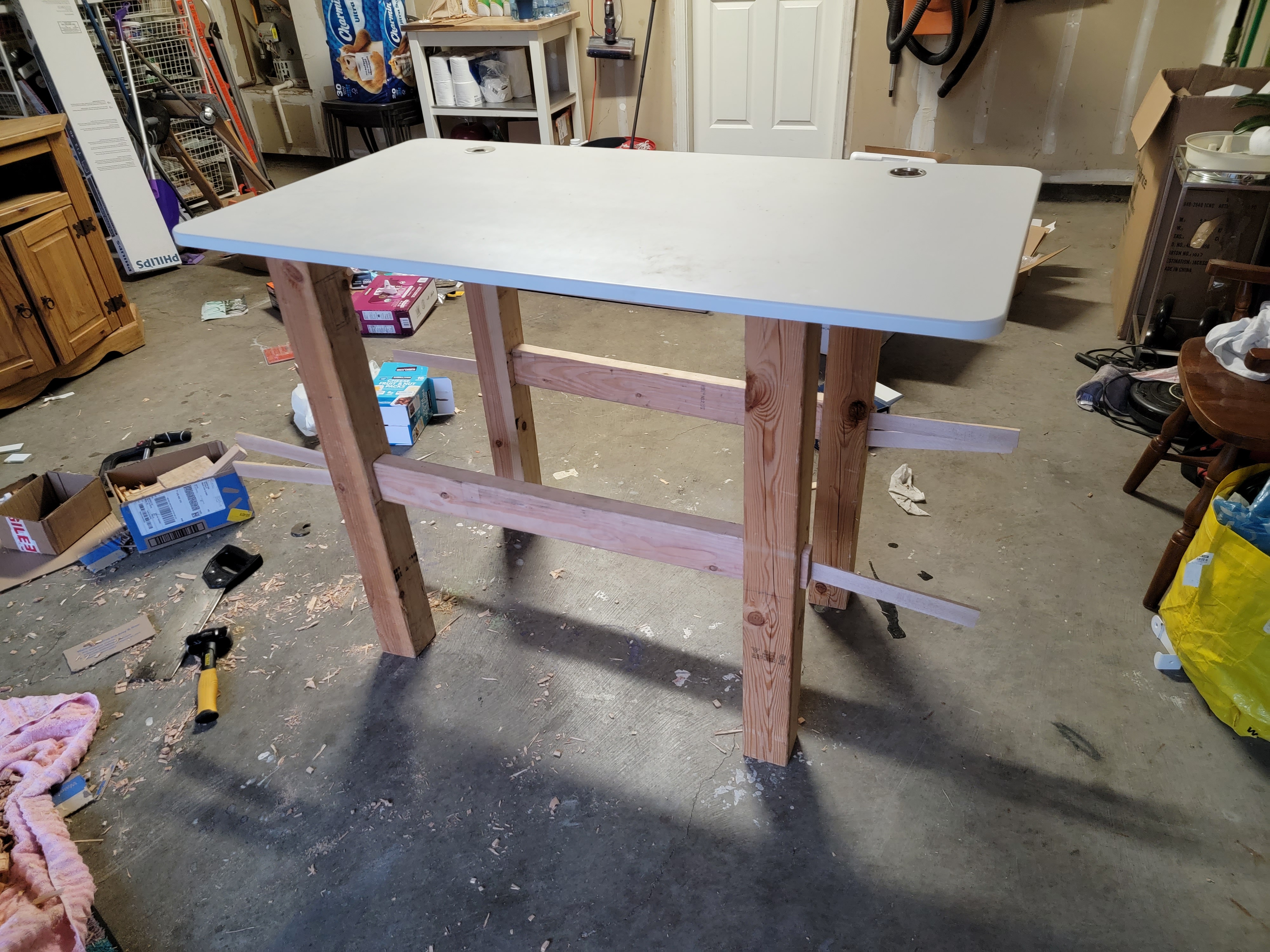
I had a plan, I bought the tools and supplies now it was just a matter of labor. To start as any carpenter should I measured everything, went over it with pencil then measured again. Except I didn’t do that I measured, didn’t mark it at first and instead took a scrap 2×4 and made a pracice joint. I mismeasured leaving my mortise long and tenon too wide. Trying to force it broke the mortise wall. Also I chiseled my mortise entirely from one side, so when I cut through , it splintered some vertical grains. This imprecision persisted in my work but knowing I wasn’t perfect meant I could plan around that. So while the baby was sleeping I measured and marked (in pencil) my cut-lines. The desk top itself is four feet wide and two feet deep so I planned for four legs, each a 4×4 3′ in length with my rail being 2′ long and 1/8″ shoulder. This all worked out great except three problems. One I gave a tenon a 1/4″ shoulder on one face. Two for whatever reason I cut my rails too long and instead of having my legs stand on each side they needed to be re-arranged front to back. Though on one face of one side of a mortise I cut 1/8″ too long leaving a gap.
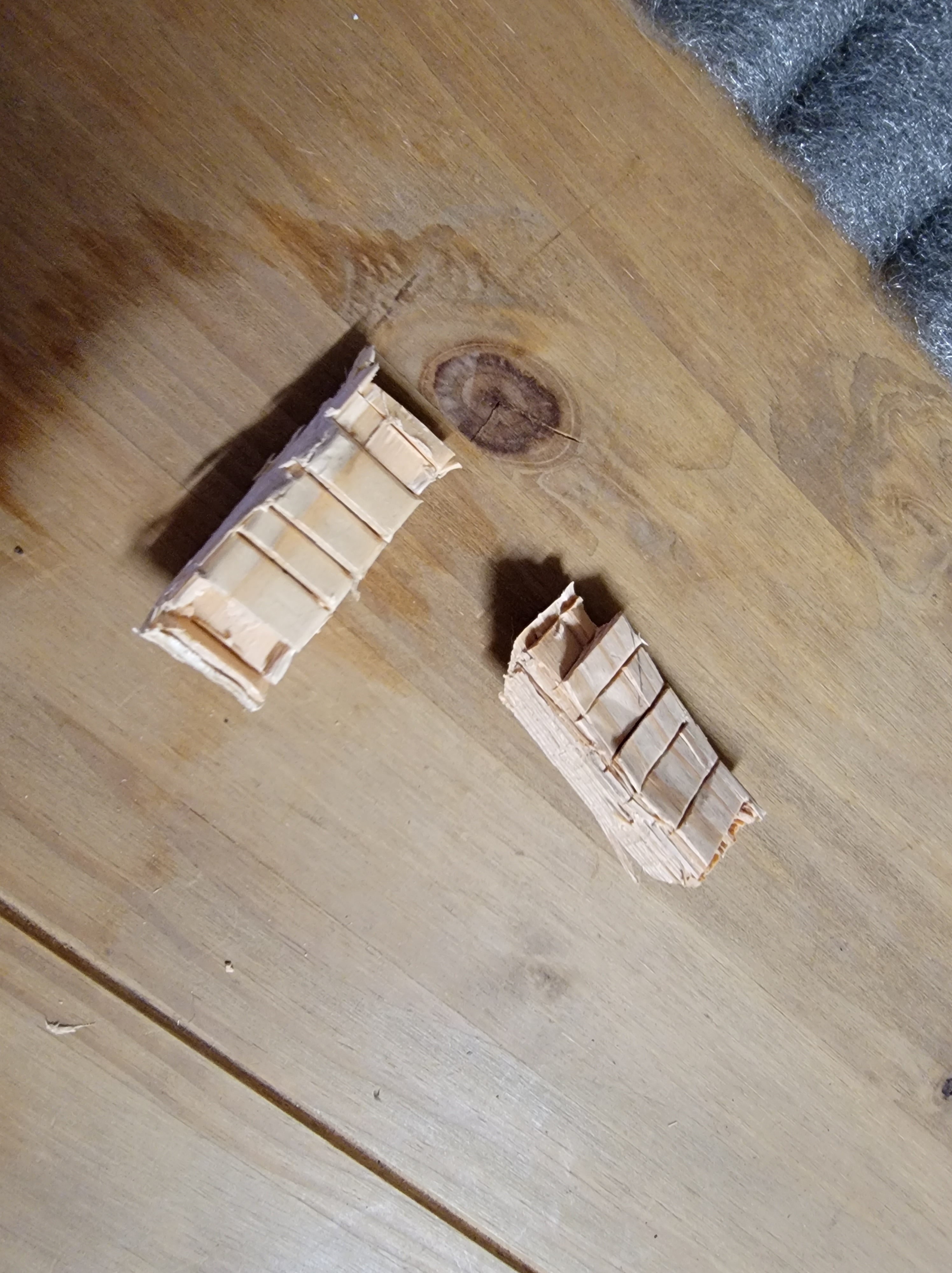
When discussing this with my dad, he was curious how I would start the mortise cuts. I chiseled straight down on my cut mark to make an outline, then cut at intervals to weaken the surface. From there shearing the face with the chisel angled into the mortise is pretty easy. The above picture shows what this looks like.
Now we don’t make mistakes we just have happy little accidents. The leg rails being too long made me change my whole approach in the end. My intention was to keep the whole thing as modular as possible permanently joining as little as possible. This worked except my legs being front and back made the bench unstable in that direction. So on one day I chiseled my first mortise and measured for my tenon cuts. Using a hammer and chisel(even if it’s brand new and you’re working with Douglas Fir, a softwood) to go through wood is a slow and loud process so I could only do so much in a day with the baby trying to sleep. The tenons were really easy as I just did a 1/8″ shoulder cut on each face with a hand saw then chiseled the tenon out. I made the tenons first so I could trace them directly against the face of my legs instead of measuring my cut. After finishing the first leg pair I was pretty satisfied and learned a lot going into the second. This one I finished in a day, eager to be done. Putting it all together I noticed how wobbly it was, the weight of the desk top not enough to self-stabilise. Even when I started I had no idea how to affix the top, so some more research later and I had some ideas. I had a few feet of 3/4″ dowling and decided to cut it into roughly 3″ dowels then drill through the table top and 2″ into the legs then drop them in. After this the modular table was done but still rickety. When I glued my tenons into the mortises I slathered them in wood glue but also drove in shims-to-shape from the outside (also with glue) to fill in the gaps of my imprecision. Despite making the feet as flat as I could with hand tools there was still some lean so I put felt pads under each. With the dowels in and the legs dried it was pretty stable but not enough for me.
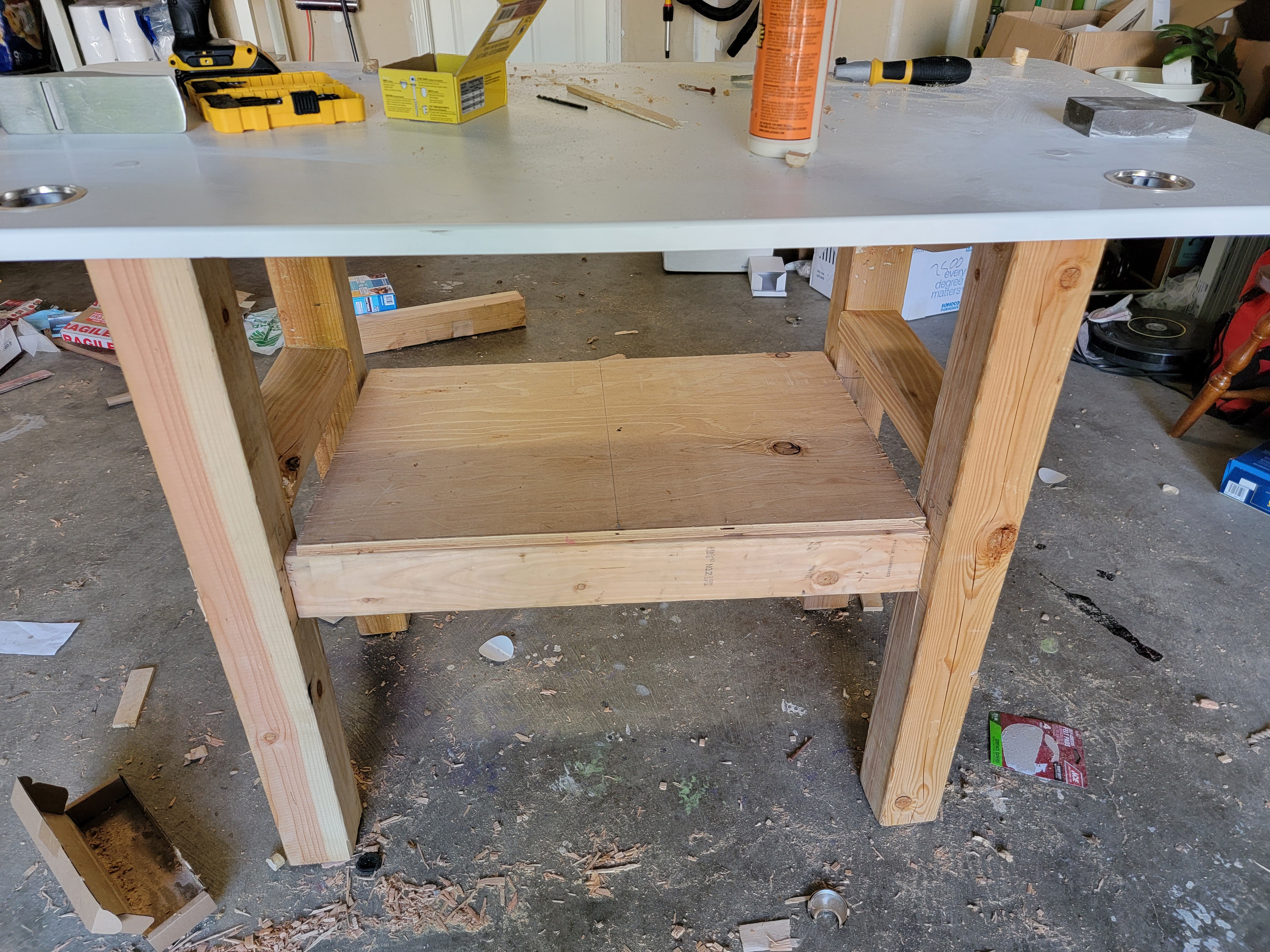
This was after almost a week of putting it together and I was ready to be done. So I made wood putty (sawdust and wood glue) and lined my dowels slots, I then hammered them down and pushed in putty from the top. I also looked for any gaps or anywhere else it’d make sense to provide some more adhesion and filled those with putty. Finally I cut small rails to go between the legs glued each side and drilled pocket holes with framing screws to provide support perpindicular to the joined legs. A day later and I had a sturdy table, to increase storage space I took 3/4″ plywood and nailed it into the long rails to create a shelf.
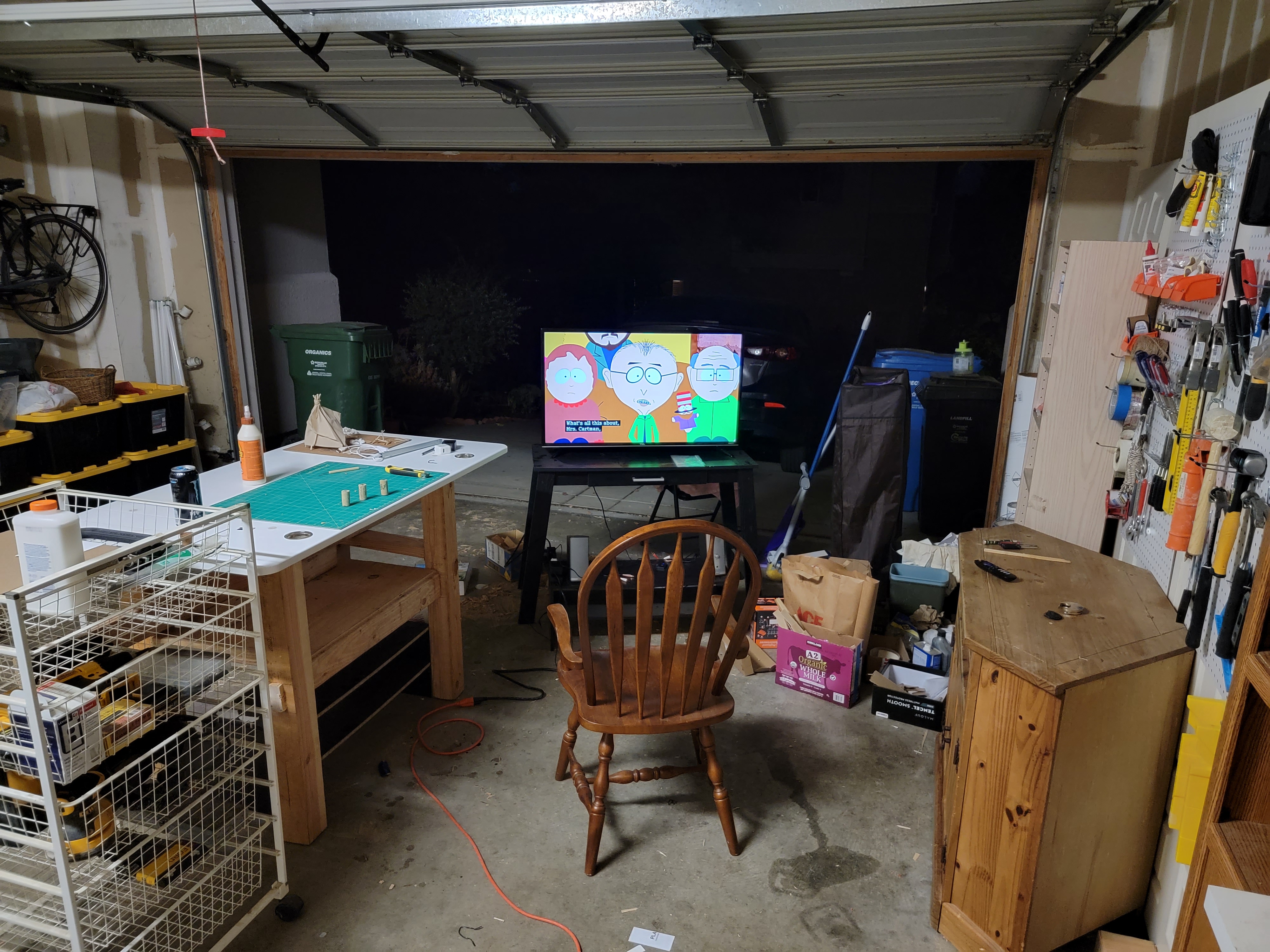
Next I took two of the old doors and drilled in three hinges to make a kind of folding door. Then I chiseled about halfway through two 4×4 blocks to stabilise the doors vertically. To help keep it vertical I drove as-thick-as-possible shims into the gaps. Then I screwed a sheet of peg board to each door to create a tool rack. Using what I had I setup a work space. There’s the workbench, a media center acting as a secondary surface, two shelves, two wire-frame racks, and finally a TV and bluetooth-enabled speakers.
This was a really fun project and the garage is now a fully functional workshop. Eventually I’ll share what I’ve been making.
This word is one of the neologisms devised for The Dictionary of Obscure Sorrows by John Koenig. The dictionary itself is an attempt to provide language for feelings or emotions without a clear label (there’s also a YouTube channel). I came across it by chance and gladly so.
n. “the realization that each random passerby is living a life as vivid and complex as your own—populated with their own ambitions, friends, routines, worries and inherited craziness—an epic story that continues invisibly around you like an anthill sprawling deep underground, with elaborate passageways to thousands of other lives that you’ll never know existed, in which you might appear only once, as an extra sipping coffee in the background, as a blur of traffic passing on the highway, as a lighted window at dusk.”
John Koenig
It’s strange that my finding of his work was a largely insignificant moment but afterwards I gleaned a sliver of insight into another’s life. First off, I’m quite jealous. John’s prose evokes very specifically but appeals broadly. It’s one running sentence but it’s skips, and hops are natural. Already just this one word has required some meditation to be only as uncomfortable with it as I am. This I see as a good thing. A chance to confront mental blind spots and learn about perhaps-not-so-obscure-anymore sorrows.
A usefulness of this feeling is a humbling of self, I think. Recognizing everyone is their own actor is essential to respect, sympathy, and other foundations for healthy relationships. Conversely, I remember telling a friend some time ago that as much as I always wanted to be a hero in any story I was more likely a forgotten character of minor importance, and I truly believed that then. Feeling that you are a background character in your own story is too humble; balance then is the antidote. You can be a hero in your story just don’t be a dick in everybody else’s.