Somehow a show about “medicine” and “doctors” is more about psychology than anything. The clear pathology that House displays essentially every episode would never ever be allowed. If one were to take any of this seriously then it only works in perspective if all the characters are Jungian shadows in House’s head engaging in some sort of cerebral self-examination.
The Shadow allegory holds more strongly in the first few seasons as a person only has so many shadows. However even the patients could be seen as problems for House to solve as a means to incrementally examine his knowledge, beliefs, and experience while moving towards reality. This is mostly just me making high-minded examinations while I watch entertainment television which ironically has its own diegetic dumb day-time television doctor show, a meta-acknowledgement of its non-reality. Though for me this is how I have fun watching television, scrutinizing it and trying to pull some greater meaning out of what is essentially, entertainment. With absolutely zero medical experience it’s not like the constant volley of medical terms has any real meaning to me nor should it be used as a replacement for real world medical knowledge. Which is why I think the character’s constant need to psycho-analyze each other is reflective of the real focus of the show: psychology and sociology. In the end that’s all one can really hope for that at least it’s fun to watch and watching House be House in House is fun.
Just to entertain possibilities, House could be seen as a doctor who’s lost themselves in their Vicodin addiction and he’s making his way through it by working at a mind palace, the hospital, populated by shadows who are projections derived from real people in his life. Wilson is his conscience though being house’s conscience means he too has his own problems. The various female characters like Cuddy or Cameron are tokens of his sexual objectification, desires, and inability to treat them like actual people. Though he doesn’t treat anyone like real people, even though he wants to heal his patients, they are more puzzles than people. Someone like Foreman or Chase are who he could’ve been or couldn’t be and uses them as more counterbalances against his inherently arrogant expertise.
(This was something I meant to publish in October but felt it was a little too depressing to riff off of the ‘horror’ tide around Halloween.)
While not of the gory variety there is an existential horror within the dying embers of old friendships. Expicitly none of my friendships are truly dead but it’s hard to ignore how thin some have become. At no point am I blaming or pointing fingers, if nothing else my awareness of this state but lack of long-form action could justify blame levied at me; but blame doesn’t shift reality.
Before I knew I’d be a father I agreed to be a best man at a friend’s wedding. I think the exact words were “I’d be honored.”. Later as the date approached I had to call and let him know I couldn’t make it as I’d be taking care of a baby then. In between those two conversations we hadn’t chatted once and I was telling him I wouldn’t make it and that I would soon be a father at the same time. He’s a chill guy and seemingly wasn’t bothered by the change in circumstances.
Obviously my communication skills aren’t that great but there’s more to it than that. We’ve been friends since middle school but went to different colleges and while he stayed in Indiana I moved to California. We even both became software engineers, but given our differing choice in college we developed new social groups. There is a stereotype that once you get married or have kids you can’t have friends, and maybe there is some truth there. However I’d guess the truth is much closer to: as people go through life they have evolving circumstances that influence their availability, ability, and willingness to engage. For example after I moved to California and got a good job my ability to visit family increased as I made more money but my availability decreased since I didn’t have many paid vacation days. If this is true then the “death” of my friendships isn’t as much my fault as it is consequence of living my life, making it all the more tragic.
Pushing past the bleakness there’s a couple more things of interest. Though the relationship may feel tenuous you’re still friends just not as close as you used to be. So, again, it’s not a true “death” but the extreme awareness in disparity between then and now. I’m sure if I reached out to my friends we could chat, catch-up, maybe play some games and have a great time. The friendship still exists.
Perhaps I was just in the right frame of mind, but I was reflecting on how over-exposed I allow myself to be to those things I enjoy. For as long I can remember I’d played video games nearly every day usually much more than I should have. This also extends to film, TV or music. While games require participation to function these others do not so I could always fill my time with them even if it’s little more than ambient noise. Thus, over years this became less a conscious choice and more a habit. Having, over the years, indulged in alcohol and seen what happens when over-indulged it made sense to ‘quit’ playing games, watching movies, or listening to music just as I might quit drinking alcohol. By the time I had decided to do this several days had gone by being busy with my daughter, maybe making the choice easier. With my wife out of town for work I became a solo dad and couldn’t afford to indulge. When she came back I could but realized I shouldn’t. That was at the beginning of December and while I now decompress at the end of the day with some TV and listen to music during my morning exercise, I still haven’t played video games.
It’s funny for me to think that this may be the first time I’ve spent so long away from gaming since I was maybe a child. Even in my roughest college semesters putting in 80-hour weeks I found time to play then, but now I don’t. This isn’t going to be an indictment of gaming but an examination of ‘breaking the habit’ of playing and what it’s like, for me.
First and foremost, I’d like to point out my mental and emotional stability is obviously not as stable as one would like but I do try to do better. That said I’d been playing games consistently since I was young, began smoking weed in high school, and began drinking in college. For all that time it might be said I was distracting and self-medicating myself and after a week or two without it my head felt like a room full of people shouting over each other. Once that started the first few days were the worst. My attention was constantly jumping, and I had trouble remembering what I was doing. Breathing exercises, journaling, and keeping a to-do list helped in the beginning (and still does) but after a while instead of maybe 30 voices it was down to three. Then two. Now it’s usually just a single line of thought with occasional interjection. I’ll try to avoid any armchair psychology or speculation but here are my thoughts.
I’m finally growing up. After an extended adolescence through my late 20’s I’ve finally had the self-control and will to try and be an adult…. all the time, as opposed to just when things need to be done. I have a schedule for when I exercise, when and what I eat, and never sit down to rest if there’s ‘easy’ labor to be done around the house. ‘Easy’ labor being started laundry, folding it, running the dishwasher, picking up clothes and other things out of place, etc. Basically, anything that takes less than five minutes of effort. Instead of playing games when I have ‘free’ time it’s now spent reading, writing, and preparing to change jobs. This has revived my passion for stories and writing in general. I did try to write two trashy young adult novels as a middle schooler but gave up because they were dumb and trashy. Now I have a full ten-chapter book planned with world building, character arcs, and historical research in effect. Already I’ve got the first chapter written with editing left to do. While it’s hard to focus sometimes journaling and lists keep me on-track. Not to say I’d left all this labor to my wife previously but now it’s a seamless single-person process to do it all and have it always done every day. I think what this really means is that these addictions I had were crutches I relied on when I needed to face the world but instead found a way to shield myself from it, in them.
At best this may be self-aggrandizing or at worst a self-indictment but by sharing I hope others can turn a critical eye to habits in their life and how those habits affect them both daily and over time. (If a certain Linkin Park song comes to mind while reading, yeah that’s intentional).
This past October my family came to visit and see my newborn daughter who was about three months at the time. While we did spend a lot of time around Zelda, my daughter, they needed some time outside of the house. My wife and I were, and still are, quite house bound as we navigate the difficulties of everyday life with a new little person to care for. Only just recently have we started going out to eat, something my wife really enjoys. In fact, the first time we took the baby to a restaurant was when we met my family at a local Mediterranean spot. All this to say is they needed to do their own things while here as we were/are boring.
My obvious game collection in the living room held a part of family history though, that being the Splinter Cell series on the Original Xbox. What makes this so important is that my father who’s avidly a non-gamer of any kind (board games, card games, etc…) seemed to gravitate to it and beat the first three in a couple of days each. For such a thing to happen, was for my young mind, something to boast. To this day these games are heralded as classic stealth games, requiring patience, awareness, and effective planning. If you don’t have any familiarity with stealth games, they often provide several approaches, violent vs. non-violent, seen vs. unseen. The hardest way to beat them is usually what’s called a ‘ghost’ run where you proceed all the way with zero enemy casualties and always unseen. My father beat all three almost entirely as a ‘ghost’. Not because the game asked him to but because that’s how he wanted to play the game. I don’t think I’d be able to do that personally even with years of gaming experience, and yet he comes in and does because that’s what was fun to him. Obviously, this made a strong impression when I was younger, so when I started collecting, I made sure they made it into my collection. I did so not only because of their status as stealth classics but because they were artifacts symbolizing a shared appreciation with my father.
Long segue aside while here he eventually decided to pop the first one in. Even though my setup to play original Xbox games on a modern HDTV hadn’t yet been tested I got it up and running with him five feet away from the screen due to short controller chord lengths. He knew he wasn’t going to beat it, but he wanted to experience it again. The game, Splinter Cell, is still impressive visually but shows its age in the more stilted control schemes of yore. Him being able to pop it in and experience that nostalgia is one of the reasons I have a collection. It’s a window into my past, his past, and gaming’s past. It’s certainly not a cornerstone of our relationship but to be able to bond over it then and now is a magical thing. This is what games have always been about for me. Experiencing something with others, sharing in that experience, and holding onto those memories formed through it. He played for maybe 90 minutes before he had his fill and that’s ok, it felt gratifying to me. As though my collection was finally fulfilling its purpose of sharing those memories.
I’m not a historian in any capacity but I do have an appreciation for it. Before World War II the first one was called The Great War. WWI was only a few decades removed from major conflicts in other parts of the world but the change in military technologies became so profound that the countries who participated didn’t want something so grievously terrible to happen again. Ironically this union of countries convening to create a peace would lead to WWII as predicted by some like John Maynard Keynes in his book “The Economic Consequences of the Peace”. All this to set the stage that WWI was so brutal many agreed some forms of combat are too atrocious. This kind of arbitration between rivals makes me think of how military uniforms were implemented largely to prevent unnecessary deaths from friendly fire.
In 1914 something magical happened on Christmas Eve. After months of torrential battle, where leaving the trench and entering No Man’s Land was likely death, in the calm of night some Germans began singing Christmas carols. The English hearing this also began to sing and finally decided to meet in the middle. While the battle lines extended across multiple fronts with soldiers from multiple countries engaged in different areas this seemed true of most of the war front. Whether it occurred Christmas morning or the day before people of different nations decided instead of shooting each other they could sing, play soccer, trade cigarettes and booze, offer services like haircuts, and help their enemies in retrieving the fallen. While there were engagements in various parts of the war line it appeared (according to journals) that most everyone decided enjoying a holiday was worth the (very severe) admonishment of superiors. This unofficial truce is maybe the only in (known) history. Even in the dimmest of times sometimes the better parts of ourselves can prevail over the worst. I just wanted to spread hope and cheer for the holidays and even if you don’t celebrate Christmas, I hope you can appreciate this bit of history. To more honestly represent the situation I sourced some details from this History.com article.
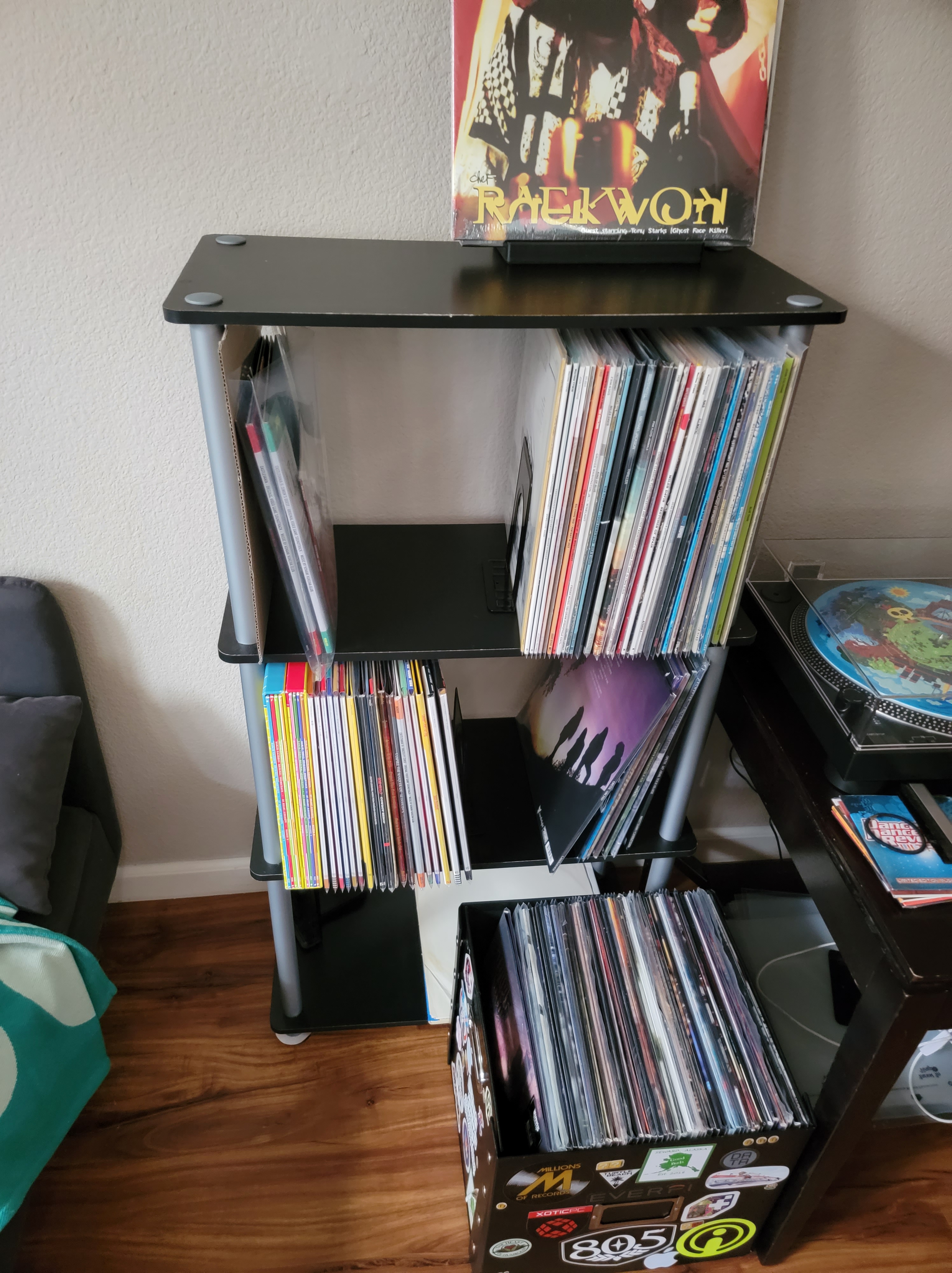
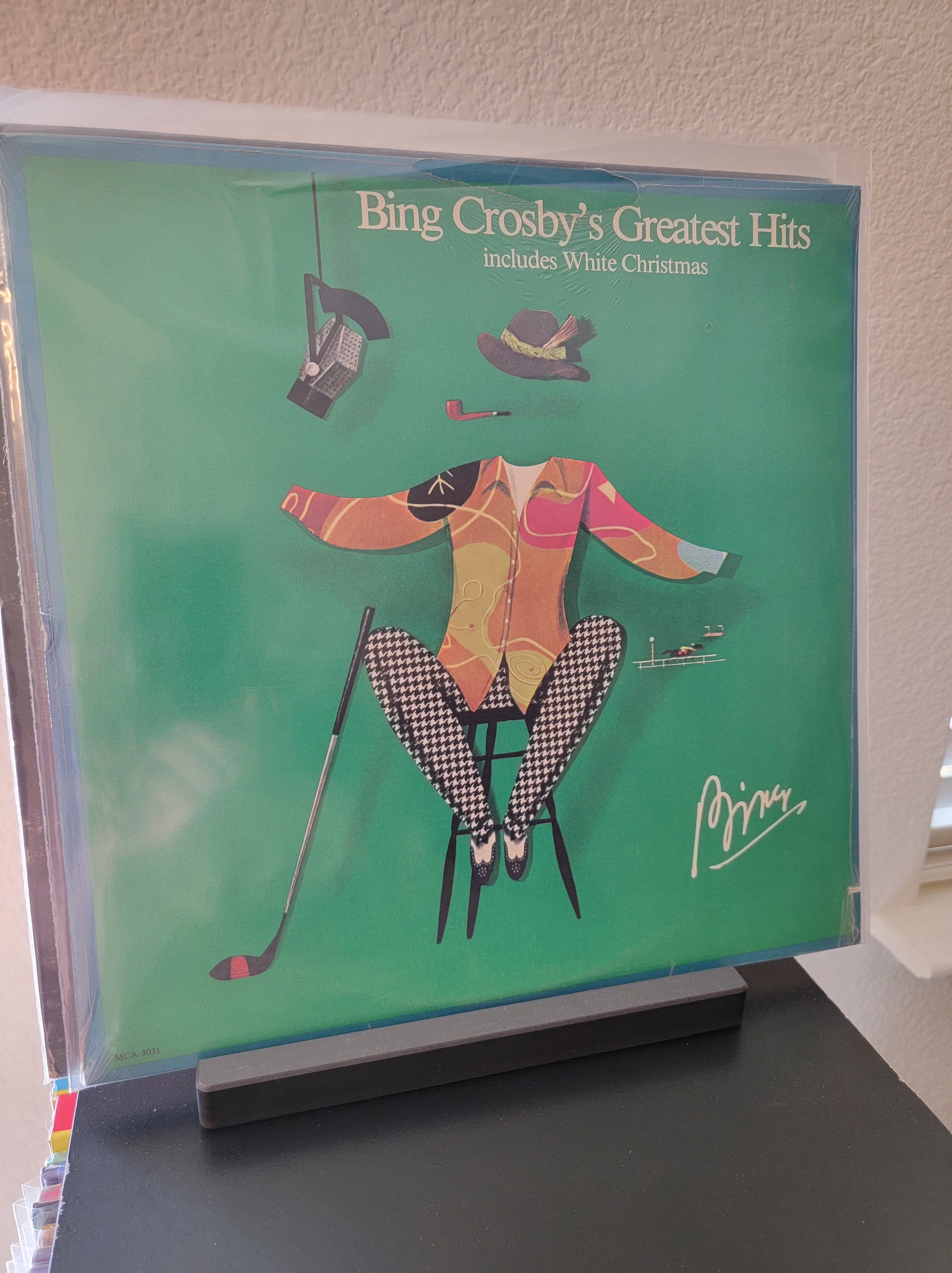
As my vinyl collection has grown my storage options have evolved with it. Currentyly I’m using a three-tier shelf made with half-inch MDF. What I’ve noticed is that once a shelf is full it begins to sag in the middle. Being paranoid as I am just a few degrees of flex makes me uncomfortable so the kernel to build a replacement began to grow. I had intended to do some other projects before building the shelves but still decided to do preliminary research. First I looked into existing designs that were available for purchase. This way I had a reference for what typical pricing is as well as inspiration for my own solution.
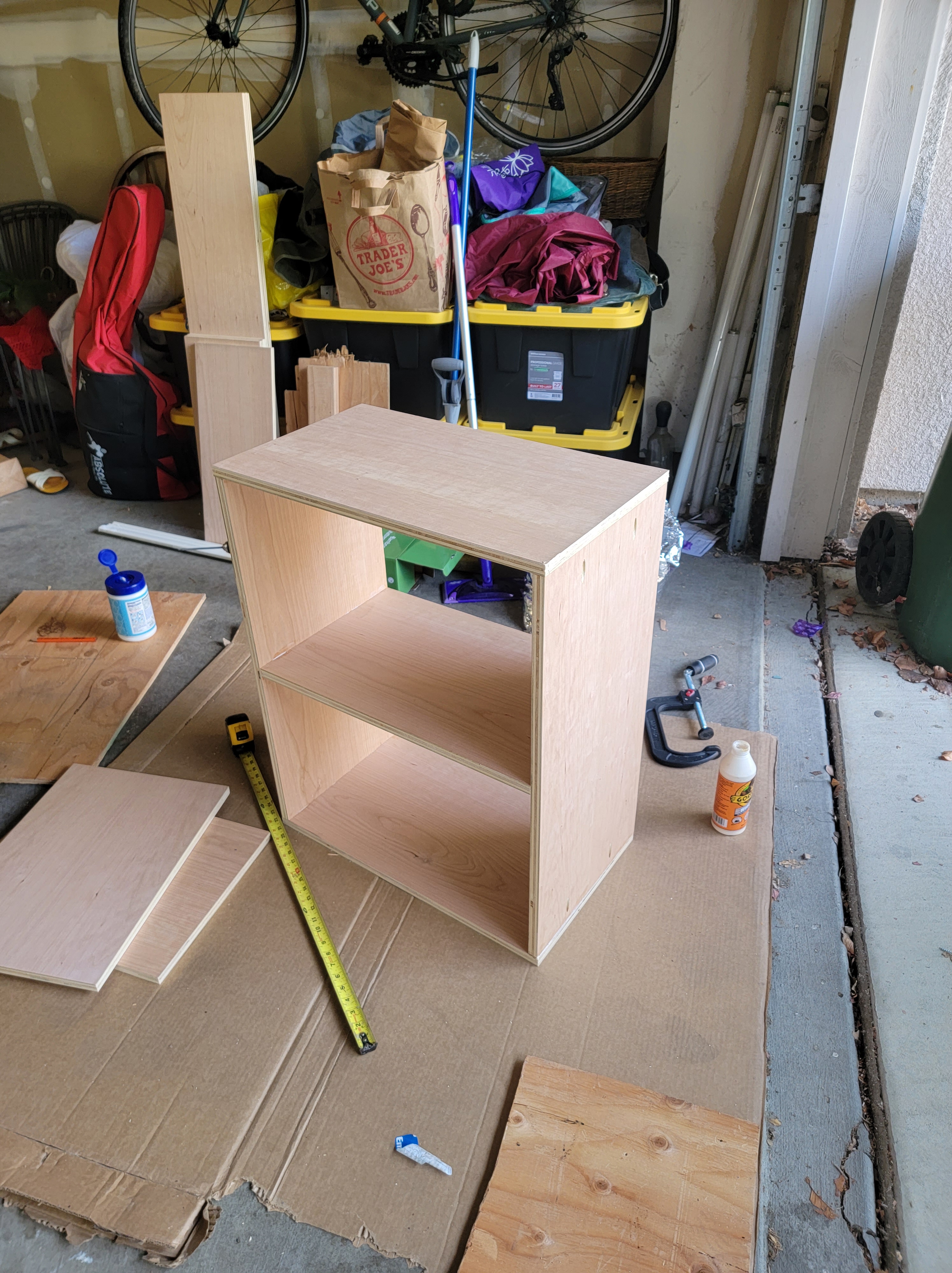
From there I started sketching out ideas and getting reference measurements from my existing storage. Vinyl albums are 12 3/4″ square and my shelving has 1/2″ of allowance and I kept that distance, giving shelves 13 1/4″ of vertical space. At a minimum the shelves would be 26 1/2″ for two tiers, plus any overlap with the top and bottom (two 3/4″ pieces). This meant a height of 28 3/4″ for me. My turntable is between 14-15 inches long so I wanted the shelves to atleast be that deep, and my current shelves are 24″ wide so I wanted at least that. So I decided at minimum it should be 14″ x 24″ x 28 3/4″ (LxWxH). Once I’d settled on a design, complete with measurements, I moved onto pricing out the materials. This is when I caved and decided to go for it as my other projects would be more expensive. To make this happen I found some affordable 3/4″ cherry plywood sheets that I could order pre-cut, saving me hours of hand sawing and heartbreak (I don’t expect to cut very straight with my current saw).
I mentioned this to my dad and sent a picture of my sketch. He suggested a Kreg pocket jig and asked how I’d handle the plywood’s exposed edge grain, I still don’t have an answer; maybe veneer tape. Some time later he actually called to confirm my plan and my measurements. This is also when he suggested I put a backboard on to help resist torsion. So I ordered my wood cut-to-size, a pocket hole jig, and a 1/4″ sheet to act as backing.
While waiting for pieces to arrive I did what research I could about assembling shelves, making/using pocket holes, really anything relevant that seemed worth my time.
Much to my relief the extra cuts from my cut-to-order were included so if I paid for a 8sqft I got 8sqft of plywood. I put the pieces together just to make sure the pieces actually fit flush, though I do admit if I were to re-design I’d go 15″ long and 30″ instead of 24″ wide. Hindight is 20/20 or atleast better than my natural eyesight. Before I did any drilling I practiced with my jig as I’d never used one (pocket hole jig) before, given I had some extra 3/4″ from my order it provided the needed material for practice. Not wanting to run the drill while the baby is sleeping I postponed assembly ’til the next day though I did continue to measure and draw in my drill spots.
With a 14″ length I decided 4″ in from each side was close enough to 1/3 to carry the burden. I ran a (too large) bead of wood glue at each joint before tightening down. Even though it put my pocket holes exterior I wanted the screws going into the “meat” of the wood. I used the 1 1/4″ coarse screws included with my jig kit.
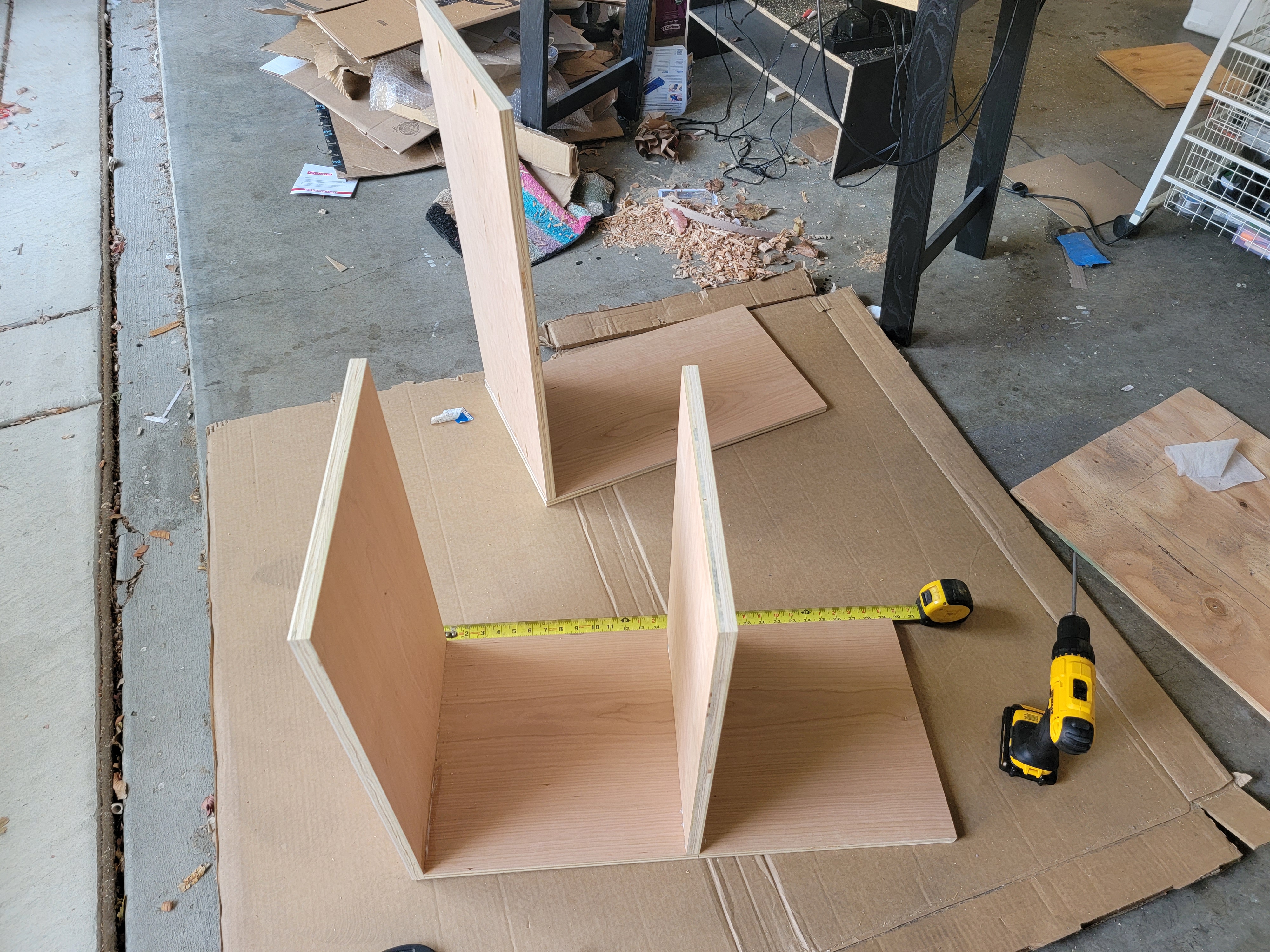
I assembled it in halves first, then put the halves together. With the outside box finished I contemplated the dividers. Here’s where paper and real life differ: my drawing was wider than taller so the insinuated spacing for the dividers was actually much smaller in reality. Realizing this I adjusted to only a single divider for the bottom. I smeared the cut divider with a thin layer of glue before sliding it in and drilling the top in. It was then I noticed I hadn’t put in pocket holes in the bottom of the divider which now had a gap along the bottom. Miraculously I was able to put in an ad-hoc pocket hole inside the cramped shelf space without ruining all my labour.
Feeling very proud of myself I gave it some time to set while I trimmed a 1/4″ plywood sheet for a backboard. I glued the back face of the shelves and then lined up the back board on the corners. Then starting at the corners I hammered in 1 1/4″ nails to fasten it tight.
Structurally finished I called it a day and now ponder the final touches. I’ve wiped it down with a damp cloth but my next step is to sand the faces flush, wipe down again, likely stain and finally decide on how to cover the visible edge grain.
At the onset of the month, I found some gameplay footage of the eponymous video game. Intrigued I did a little digging and eventually decided to play. About 10 in-game hours later I was done, and I have thoughts.
There’s great effort put into setting up the mystery of what’s going on and it is alluring but there’s never a satisfying answer, only supposition. A great tower appears in the jungle and you, a “modern” military man, find it with a guide’s help. The tower holds a spear believed to grant wishes and immeasurable power. Venturing inside the stone shrine otherworldly creatures and sights lay before you. With your torch sputtering, little ammo, and the way out sealed behind, you must go forward. Using conversations with other characters, the game builds this meta-narrative that by choosing to play the game you are just like the soldier who has chosen to find the spear. Despite whatever difficulties you face your willingness to struggle and beat the game is the same as the soldier’s search for the spear. In essence to stop playing before finishing would be dooming your player character to the fate of the many other human adventurers you pass.
Building from the idea that the player’s intentions mirror their characters, the idea that guns are present takes even greater effect. Sure, shooting spectral monsters, knights in armor, and giant bugs with guns is fun but narratively you are the invading force. All the places you visit are living biomes with their own lifecycles and inhabitants and by playing you are choosing to murder your way through them. It’s mentioned that you don’t have to struggle so much to achieve your desire, the spear, but for the player with the freely available guns and ammunition the difficulty is not so severe. Intentional or not this makes me feel like there’s even more meta-narrative implying that advanced enough technology can trivialize certain obstacles so much we don’t recognize the damage caused. There’s even magic in this game but guns are so effective there’s no need to even use it. However, that’s the extent of the narrative from what I can tell. There wasn’t enough information to make any other interesting connections. Edit: Upon reflection, when you “finish” the game you don’t get the spear and you just start over from the beginning, I can only interpret this to mean you never had any real agency and the spear/game is the one in control all the while.
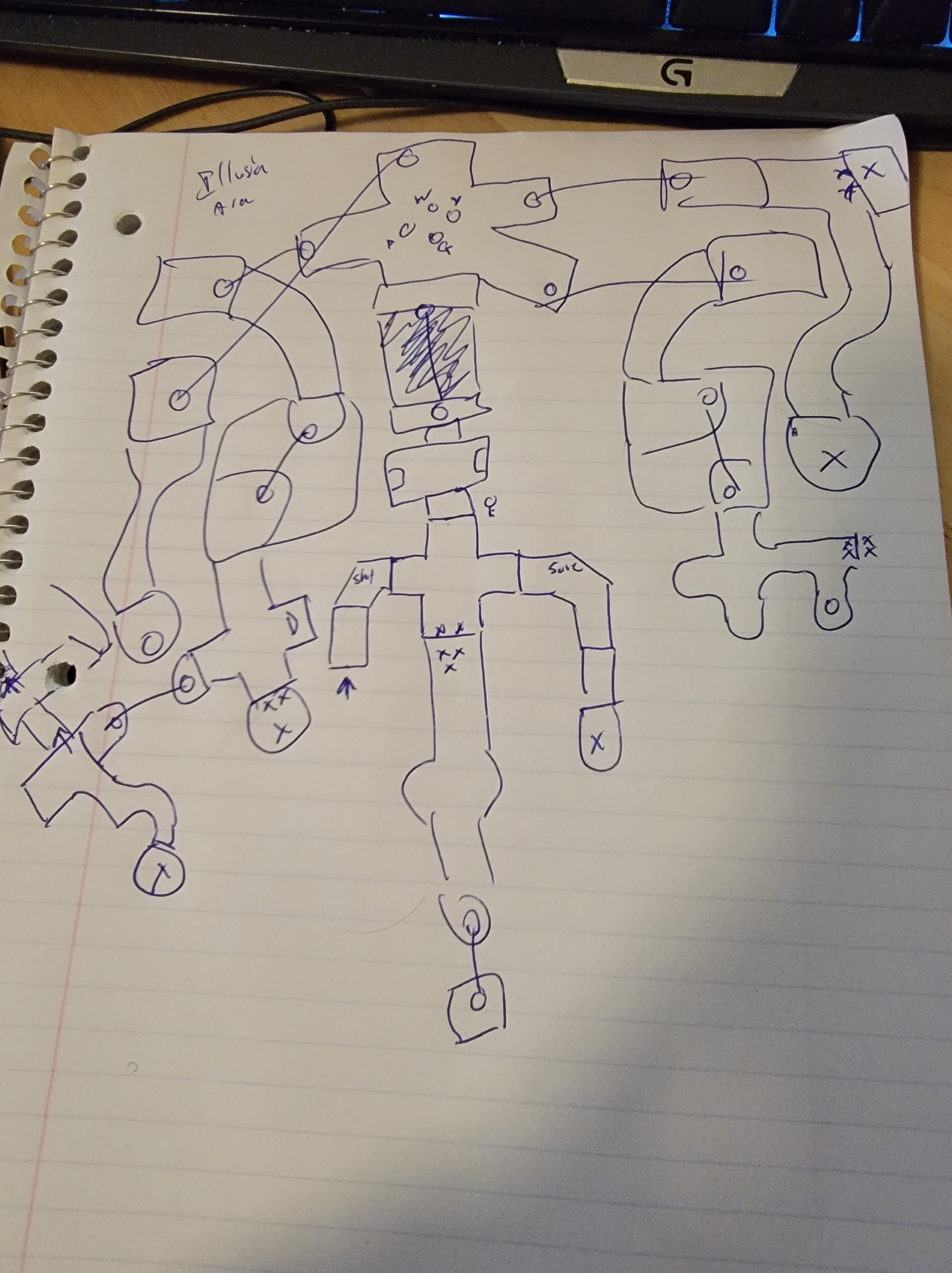
As a game it echoes that time when games held so much mystery by including hidden passageways and secrets and there not being much information available even online. It rewards exploration and risk-taking while also punishing it when not done carefully. In one of the later areas, I had to draw a physical map to keep track of everything and I enjoyed it more so.
Honestly you could even forgo using guns and rely on magic, clubs, katanas, bows, and more. There’s much to do and much to do it with. Combat is slow but deliberate. Swinging a melee weapon requires energy which will be depending on the weapon’s weight. For example, a knife might be swung 3-4 times before you must wait, while a big club only gets one. Missing a swing exposes you and turning to face your foes takes time. This isn’t a game where you can whip the camera around freely, in fact having a gun out renders you slower overall. Understanding your space, time to swing, time to recover, etc is how you “git gud”. Or just use the AR-15.
Visually, I have no problem saying this is one of the best looking PS2 games. The art direction goes a long way into selling you the world of the game. Enemies have cohesive visual schemes in their visually distinct worlds, with each world encompassing a, usually, familiar theme. Armor, weapons, and other character gear have unique in-world renders that dynamically affect your character’s “paper doll”. Also there is the technical point that the game allows for 16:9 rendering which is great on modern displays.
Instead of music the soundscape is almost entirely diegetic. You’ll hear wind blowing through canyons, plants gurgling, enemies shrieking, splashes of water, earth crushing under-foot. All kinds of noises but no music aside from music cues when segueing between areas.
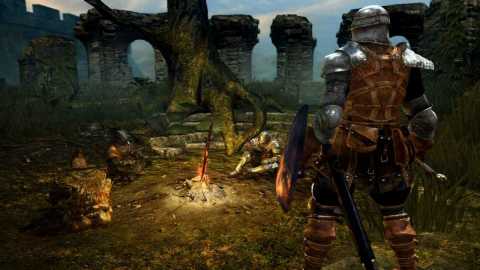
As a fan of the Souls games, playing through this was like walking through the connective tissue from King’s Field to Demon Souls and eventually Dark Souls. The sound effects, weapon variety, damage types, statistics, character-based sub-plots and more all strongly resonate within the later titles. It really feels like playing a first-person prototype for Dark Souls 1 on the PS2 that they added guns to. I hope that’s not taking too much away from the game’s own identity which is distinct enough with its alien geometry and coloring.
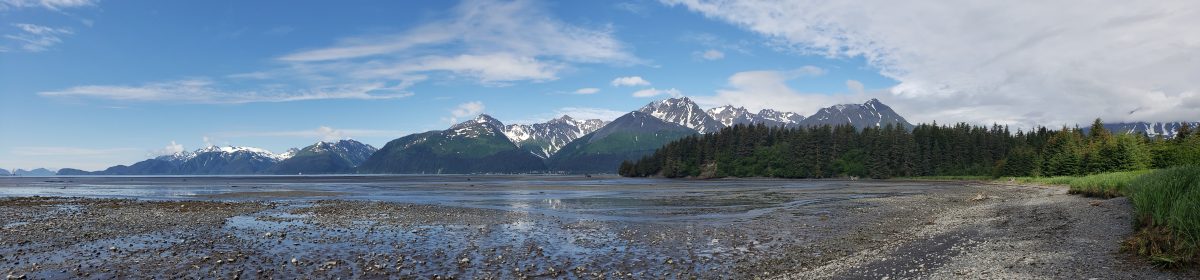
Before the age of 30 I had backpacked in the mountains of Alaska, cliff-dived in Hawaii, road-tripped in France, driven from the American Mid-West to the West Coast twice, made my own video games (haven’t sold any though), worked for Marvel Comics, traveled to nearly every state in the US and probably some other memorable stuff I’m forgetting. Out of all this Alaska would be the first thing I’d sign up for again and have. That is likely why its first on the list, being already quite close to my mind’s surface. I appreciate these experiences and the people I shared them with, but none can even begin to approach the joy I feel from martial arts (granted you consider wrestling a martial art). Starting from when I joined a wrestling team as a little kid so one day, I can be bigger than my brother to my most recent joining of a local BJJ gym it has been the single most satisfying experience in my life. Even though my wrestling “career” ended in high school after a very disappointing loss my senior year, all that time, sweat, blood, and tears were mostly all worth it. I could do without tears.
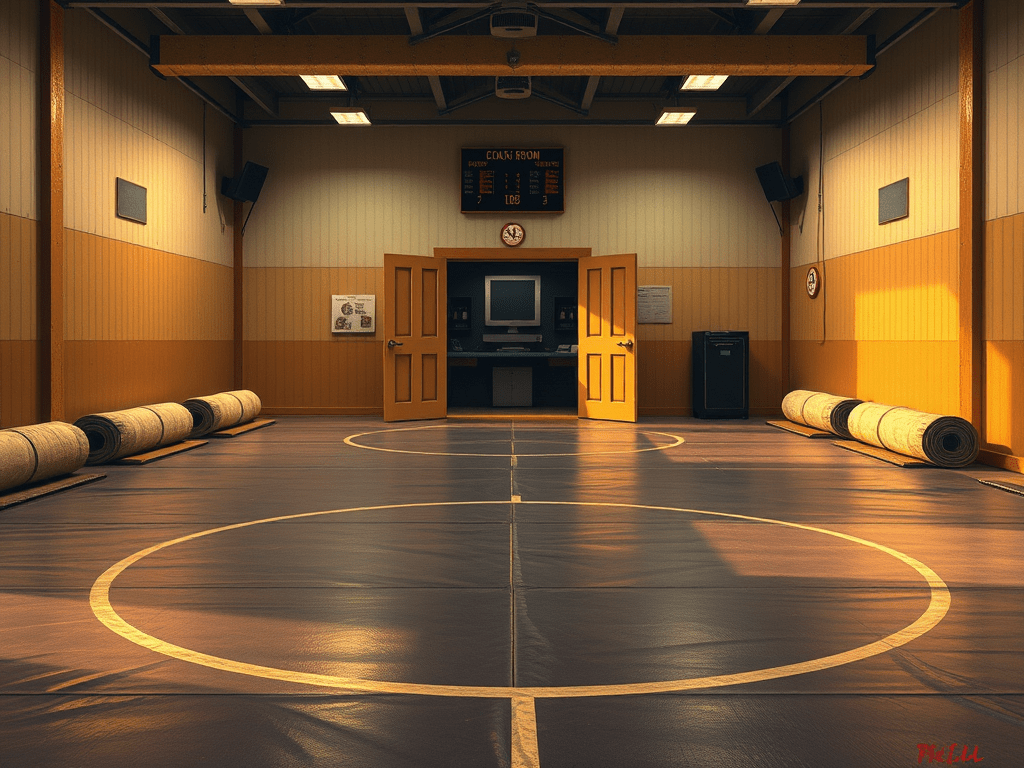
In high school we recorded our matches so we could watch tape and at the end I got a DVD copy of my last year’s matches. Rewatching them fills me with the same kind of nostalgia I get from remembering playing games with my family on a tiny CRT. The same kind of nostalgia I get when I think about waking up on Christmas morning as a child. Something so purely joyful it hurts bittersweet. I remember how alive and awake I felt when I wrestled my best. Strategy and reaction are instantaneous. The body moves at the speed of thought. Instinct, tactics, and force all combine into a rush of actions and reactions. A tiny break after a whistle then the struggle resumes. It’s all so memorable my time wrestling could be a physical place in my mind. I can walk into the practice room feeling the hot musty air pressing down on me. And though it smells largely of male body odor, its familiarity is comforting. I couldn’t tell you what the writing on the wall says anymore but I know the letters are there. The rolled-up mats for competition sitting in the silos on the side of the room and the beige double doors to the coach’s office lay open in the back of the room.
Unlikeable smells, exercising ’til you puke, and your legs don’t work, waking up at 4AM on Saturday to drive an hour, then finding your overweight by .2 of a pound so you run in three layers of clothes so you can stand half-naked in front of a bunch of people hoping you’re not too heavy sounds terrible. For me it was all worth it for time on the mat, and I’d do it all over again. Honestly that kind of difficulty is likely necessary to help forge the proper mindset for competition.
In college some buddies and I setup informal boxing matches (we had gloves and headgear). That split second of anxiety while we both wait for the first punch then a flurry of feet as you both fight for positions. Jabs are exchanged testing distances, speeds, and reactions. Then finally someone wants a hit and goes for it. Whiff. But there’s a noticeable uptick in intensity. Jabs are faster and sharper, combos more frequent, hooks and uppercuts more powerful. At this point if you were me your eyes would be wide open, your pupils dilated, the adrenaline not allowing you stay still. And you’d be smiling. Not intentionally, no, this is a reaction to having the most fun you’ve had since you were probably ten, maybe ever. Battles where victory is as likely as loss and every step is a struggle. Mentally, physically pushed to the edge. Analyzing for weaknesses, waiting for openings, pressuring for space. It was never about winning but the testing of mettles. How far could you push yourself and your opponent. Losing is certainly undesireable but exploring the edges of your capabilities and finding what you need there is more potent than any drug, more exhilarating than any achievement, more satisfying than any meal.
I’d imagine there’s many people like me who are not so interested in traveling, eating, seeing the sites, or whatever people like to do. The popularity of UFC, Bellator and other MMA or MMA-adjacent circuits is proof enough, I think. However, to say “I like fighting” or “I like to fight” or some variation of that would likely get you strange looks. We don’t live in Ancient Rome where a bloodthirsty crowd could demand sacrifice from gladiators, modern regulated combat sports can still be bloody but are very much civil displays of violence.
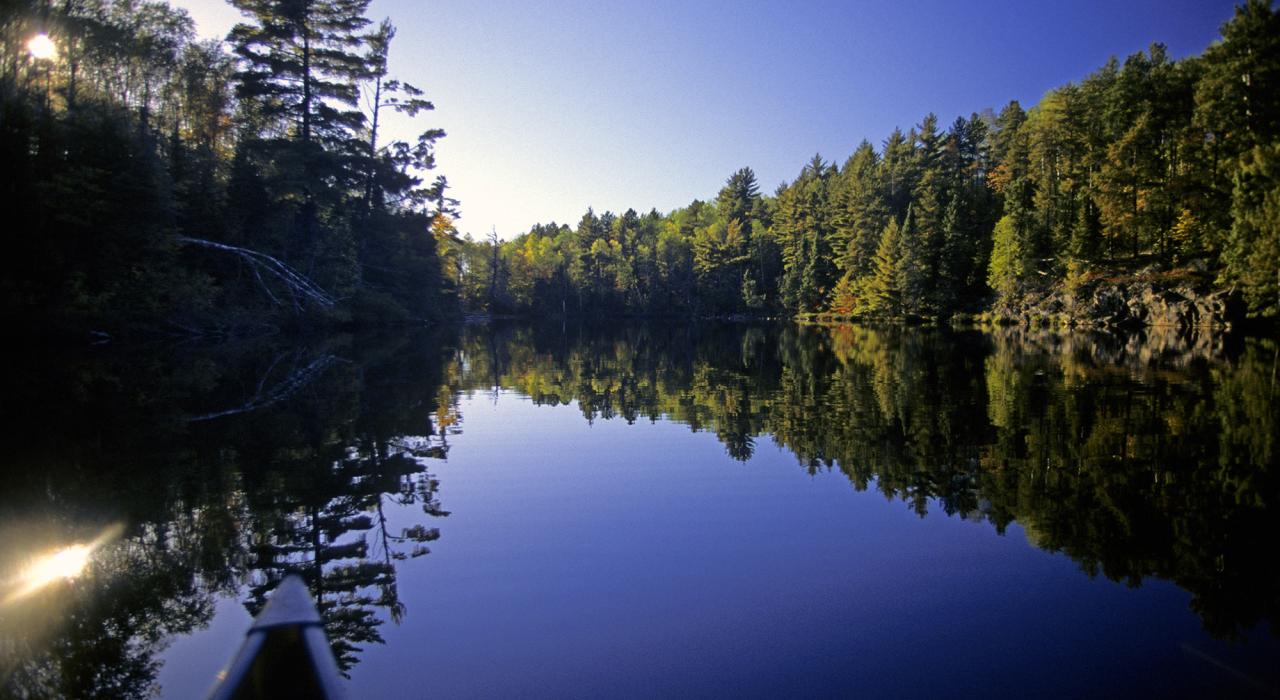
Close to a decade ago I joined my father and family friends on a canoeing trip in the Boundary Waters off Minnesota. We drove up from Indiana which took a while but allowed for whatever gear we thought we would need. I’m pretty sure we rented our canoes or at least one of them, we had two for four people. My dad and I in one canoe and my dad’s best friend and his son in another. Our plan was to go island hopping on a circular route that would end where it started. We could leave a vehicle locked at our put-off point and come back any time. One of us was cautious and insisted on a satellite phone, which was fortunately unneeded. Better to have and not want than to want and not have. The trip itself was planned for over a week though I couldn’t tell you the total mileage, if I had to guess we probably covered 20+ miles a day.
The biggest hindrance on our journey were the portage sites. To continue we’d have to beach and carry the canoes and gear overland to another beach. This was the only pinch on our weight capacity as canoes can haul gear well, but we’d have to carry it along with canoes. Most portages were short, like 15 minutes though at least one was over a mile. Not hard hiking but no fun with all that extra weight. As camping you tend to get lighter as foods and other resources deplete so you can start out a little heavier on the first day. Like bringing steak and enough ice to keep them ’til dinner. After that you’re down to eating dehydrated foods like the kind you can get at stores like Gander Mountain and REI. Anything that keeps well, is low weight, and needs little preparation is fair game. This includes cereals, pasta, jerky, and more.
As one could imagine it’s spectacular imagery being on the water all day. Then when you beach for the night, you basically have a small island all to yourselves. Sometimes you’d find a tall island with no real beach but once you scramble to the top it’s covered in trees, lichen, and blueberries. The berries are slightly out-of-season but fresh, nonetheless. Sometimes you’d wake up to a large raptor (don’t remember if it was a hawk, eagle, etc.) staring at you through your tent mesh in a tree 20 feet above you. Sometimes you see a bear on another island just roaming the coast. Or when you’re just paddling along, you’ll see a slight ripple and realize it’s a snake’s head breaching the surface as it island hops. We even had a small natural bay protecting a perfect sandy beach, which was great enough to warrant several nights there.
The experience was all very memorable and I’d be back the moment it made sense but what stood out most the day we arrived at that perfect natural bay. A storm had been lingering in the skies and we were rushing to make camp before rain broke so we paddled for the closest known beach. This whole trip we had the luxury to troll fishing line when feasible and this day was no different. My dad being more experienced hoped the incoming storm and our position in the water would bode fortuitous for fish. So, we stopped to try our lines before following our other canoe. Not even 30 minutes had passed before we considered packing it in as a light drizzle fell. Then my line snagged. Immediately I jerked the line upwards hoping to hook the hard part of a fish’s lip. It felt soft enough to be fish but firm enough to not be nothing. Then a jerk in another direction. It was a fish. And it was hooked. The line was out probably close to thirty feet and the storm was picking up. My dad had rudder position in the canoe, so he worked to keep us still in the water while I let the fish run then pulled it back while it rested. The rain is picking up and we fear lightning may start (I’m holding a metal rod in the middle of lake while it rains, I might as well demand God smite me). So, I start to stress my lines strength, working against the fish more hoping to tire it while also hoping the line doesn’t snap.
30 minutes of struggle as the fish fights for freedom and I fight for dinner. The fish’s pale shimmer is obvious through surface but now it sees the light from the surface it knows to dive with everything it has remaining. Resisting only enough to keep the line taught against the fish’s descent. Eventually it tires and you bring it up and again it dives but gives out after a few seconds. Bringing it to the surface my dad has a net ready. Shortly after and we’re on the beach ready to start dinner. I don’t usually eat fish but when I do it’s usually because it’s been caught that day. Thanks to that lucky break we were more vigilant with our fishing and caught dinner for several days after that. Little beats fresh food, fish that fresh can only be attained one way.
While not my first-time fishing, fighting a fish for half-an-hour during a storm while in a canoe in the hopes you get fresh dinner is a hell of a way to sell the experience. Some people like to catch fish, some people like to eat fish, for me that day I learned I liked the struggle of catching the fish.















 ooglykraken